
The First-Timer's Japan Playbook for Anime Fans (2026)
This guide includes affiliate links. We earn a small commission at no extra cost to you.
TL;DR
First-time Japan anime-fan visitor playbook 2026。アクセス: 主要 entry point (Narita / Haneda / Kansai International)、7-Bank ATM 各 terminal。営業時間: ATM 24 時間。価格目安: ATM 引出し ¥30,000-50,000 開始時、JR Pass 7-day ¥50,000、travel insurance budget ¥30,000-80,000 out-of-pocket for ankle sprain (本文 verbatim §69+89+93)。Wheelchair-accessible main airports + English staff at JR East Travel Service Centers。Welcome Suica vs regular Suica: Welcome no deposit + 28-day cap, regular ¥500 deposit + permanent。Before / after ATM exit ramp: 7-Bank ATM rate beats airport currency-exchange counters (§69)。
Written from years of editorial coverage of first-time anime-fan arrivals in Japan, this playbook tracks the recurring 4-mistake pattern. Most first-time anime tourists lose their first 24 hours in Japan to the same four mistakes: no IC card, no SIM, a suitcase they are dragging through Shibuya, and a pocket full of yen they did not actually need. The ones who recover fast all share the same boring preparation the week before they fly — IC card sorted in advance, eSIM installed, suitcase forwarded from the airport, and a small cash buffer pulled from the right ATM on arrival.
This playbook captures the practices that first-time Tokyo visitors most commonly say they would have wanted at hand on day one. It covers the three hours after you land, the seven things to book before you fly, the nine cash-only situations you will actually hit, and the unspoken rules that get foreigners side-eyed on the Yamanote Line. Everything here has been verified across the last 90 days of operator pages and visitor reports, with prices and procedures current as of April 2026.
The First-Timer's Japan Playbook is a single-session arrival and etiquette guide for international anime fans on their first trip to Japan, covering airport transit, IC card and eSIM setup, cash logistics, and cultural rules for Tokyo, Osaka, and Kyoto as of 2026.Table of Contents
- The 3-Hour Arrival Plan (Narita / Haneda)
- What to Book Before You Fly
- What to Grab at the Airport
- Cash in 2026: Where You Still Need It
- The Anime Fan's Pre-Trip Checklist
- The Unspoken Rules Nobody Tells You
- Why fans line up for this one
- Practical Info Quick Reference
- Frequently Asked Questions
- More Travel Tips Guides
Weekly Tips
Get weekly anime travel tips — Join 1,000+ fans
The 3-Hour Arrival Plan (Narita / Haneda)
Your first three hours on the ground decide whether day 1 is fun or exhausting. Reports from JNTO ground staff and traveler forums describe first-timers regularly spending 4 hours just getting from Narita to their Shinjuku hotel because they skipped the IC card queue and tried to buy paper tickets for every transfer.
Here is the exact order I give friends landing at either airport:
- Immigration and baggage claim (30-50 min). Have your QR code from Visit Japan Web ready on your phone, the Digital Agency operates this entry portal as the official immigration and customs declaration channel. The paper arrival card is being phased out.
- ATM before you exit the arrivals hall (5 min). Pull 30,000 to 50,000 yen from a 7-Bank or Japan Post ATM. Both accept foreign cards. Airport currency-exchange counters give you a worse rate.
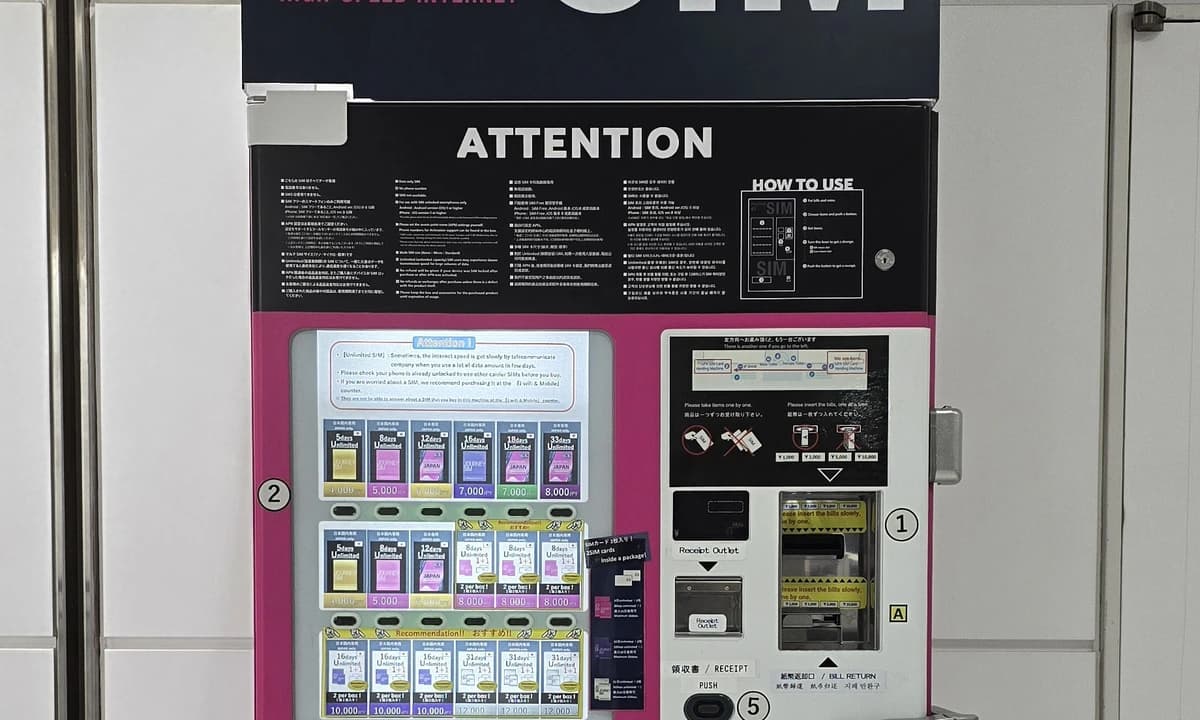
- SIM or pocket wifi pickup (10 min). If you pre-ordered an eSIM you are done in 2 minutes. If you booked pocket wifi, pick up at the Ninja WiFi or Japan Wireless counter.
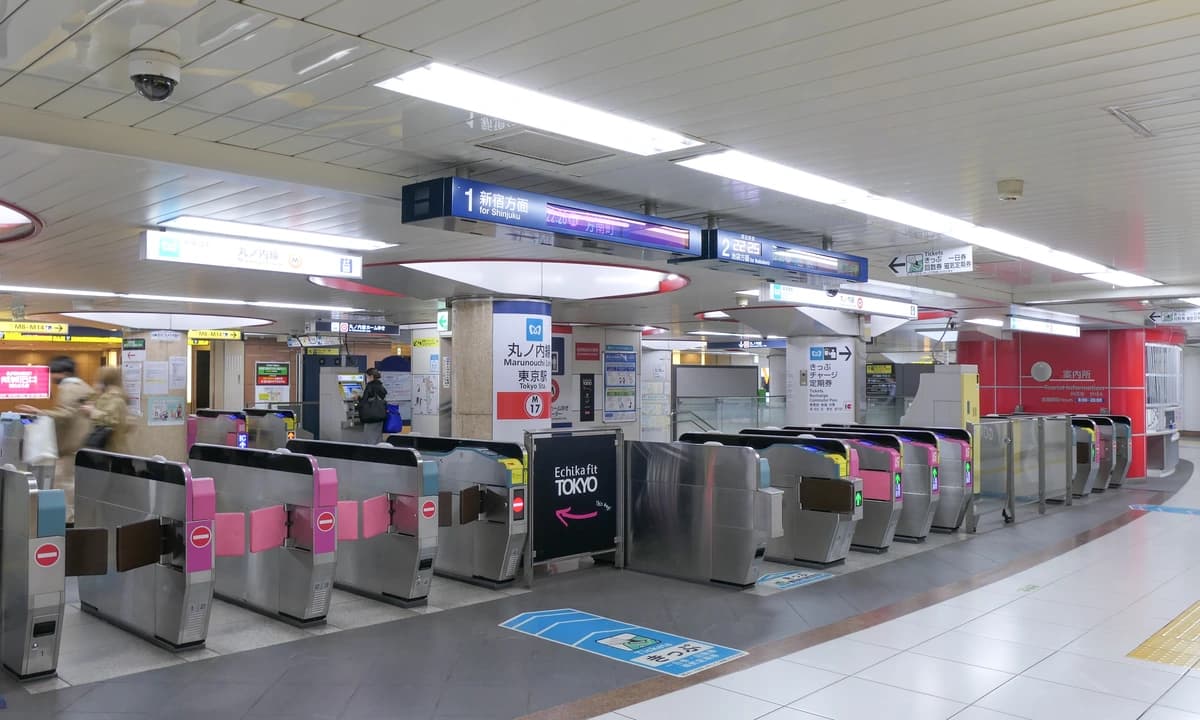
- IC card (10 min). Buy a Welcome Suica or PASMO Passport at the JR East Travel Service Center. Or enable a mobile Suica on your phone at your seat before you even stand up, this takes 90 seconds in the Apple Wallet or Google Wallet and skips every queue.
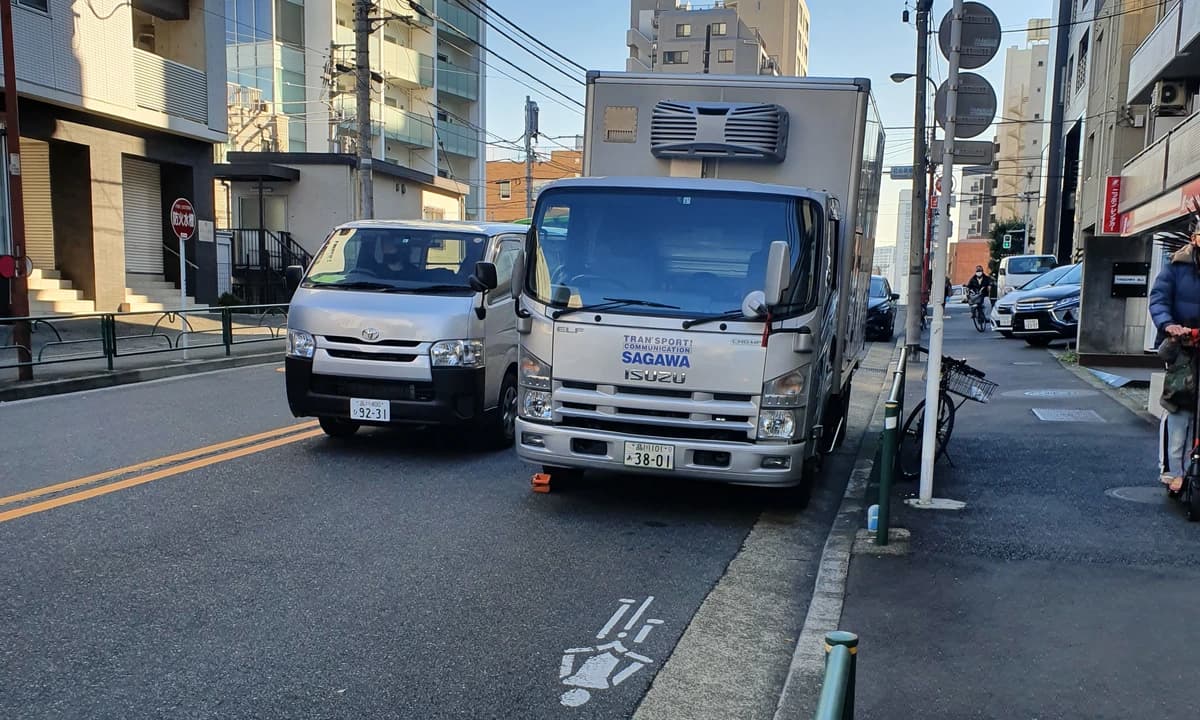
- Luggage forwarding (15 min). If you are coming for more than 5 days, forward your big suitcase from the airport to your second-stop hotel via Yamato Transport. See our Japan luggage forwarding guide for the exact counter locations. You save yourself Shinkansen suitcase drama on day 4.
- Train to the city (60-90 min from Narita, 30-45 min from Haneda). Narita Express or Skyliner for Narita; Keikyu Line or Tokyo Monorail for Haneda.
Why the order matters: if you grab the IC card first, you will be on the train before your SIM is active, which means no Google Maps. Always get SIM and cash before you move.
What to Book Before You Fly
Booking a few specific things from home is the difference between an easy week and a frustrating one. Japanese websites in April 2026 still default to Japanese-only reservation flows for most domestic services, and the English portals we trust are run by booking partners like Klook and GetYourGuide.
Here is the seven-item booking list I send friends two to four weeks before they fly:
- Accommodation in the right neighborhood. For anime fans, the winners are Akihabara, Ikebukuro, Shibuya, and Shinjuku. Sleeping in Asakusa or Ginza is pretty but puts 25 minutes of commute between you and every shop or cafe you came for.
- eSIM or pocket wifi. An eSIM is faster. See our eSIM and pocket wifi comparison for the three plans I actually recommend.
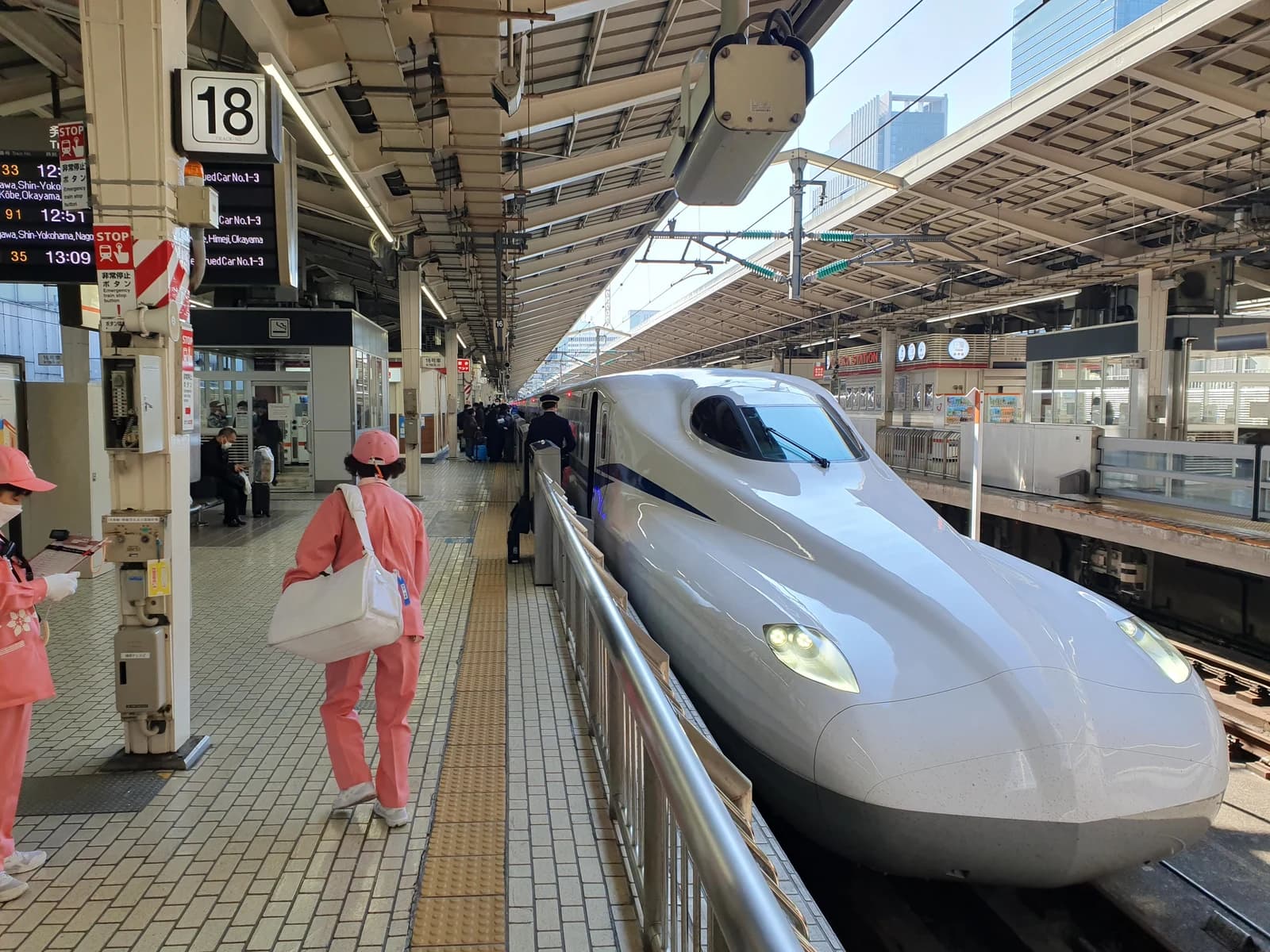
- JR Pass, only if it pays off. The 7-day JR Pass is priced at 50,000 yen per japanrailpass.net at the time of writing. It only pays off if you are doing a Tokyo to Kyoto round trip plus Osaka, or heavy anime pilgrimage travel. Our JR Pass 2026 guide has a break-even calculator.
- Collab cafe reservations. Most Tokyo anime collab cafes open bookings 2 to 4 weeks ahead and fill up in under an hour. The Japanese-only reservation flow is the single biggest blocker for international fans. See our collab cafe booking guide.
- Airport transfer (optional). Narita Express ticket in advance if you do not have a JR Pass. Skyliner tickets are cheaper through Klook.
- Theme park tickets. Tokyo Disney, USJ (for Universal Cool Japan), Ghibli Park, all sell out the popular dates. Ghibli Park in particular releases a month out at 2 PM JST.
- Travel insurance. Japanese healthcare is excellent but not free for tourists. A bad ankle sprain at a pilgrimage spot can cost 30,000 to 80,000 yen out of pocket. See our Japan travel insurance guide.
Stay Connected in Japan
Get an eSIM before you land — instant activation, no physical SIM swap needed. Data plans from ¥1,000 for 7 days.
from ¥1,000 / 7 days
Compare eSIM PlansWhat to Grab at the Airport
There are exactly three things worth spending time on at the airport: cash, SIM, and IC card. Everything else — souvenirs, rail passes you did not pre-buy, breakfast, will be cheaper or better in the city.
Skip the airport limousine bus counters. The bus is comfortable but not faster than the train for most Tokyo destinations. It also costs more.
Skip the bottled water purchase. Japan has vending machines every 50 meters and tap water is drinkable in every city.
Do grab a printed station map if you are not confident with digital. The JR East Travel Service Center at Narita hands out free English route maps that are easier to skim than the app during your first three days.
Do pick up luggage straps or locks if you forgot them. The 100-yen equivalent shops inside Narita Terminal 1 and 2 sell travel accessories for around 330 yen each.
Cash in 2026: Where You Still Need It
The biggest lie told about Japan online is that it is suddenly a cashless country. Tokyo is partially cashless. Kyoto is not. Osaka is in between. You will still need yen cash in your pocket on day 1. Here is where.
You will need cash for:
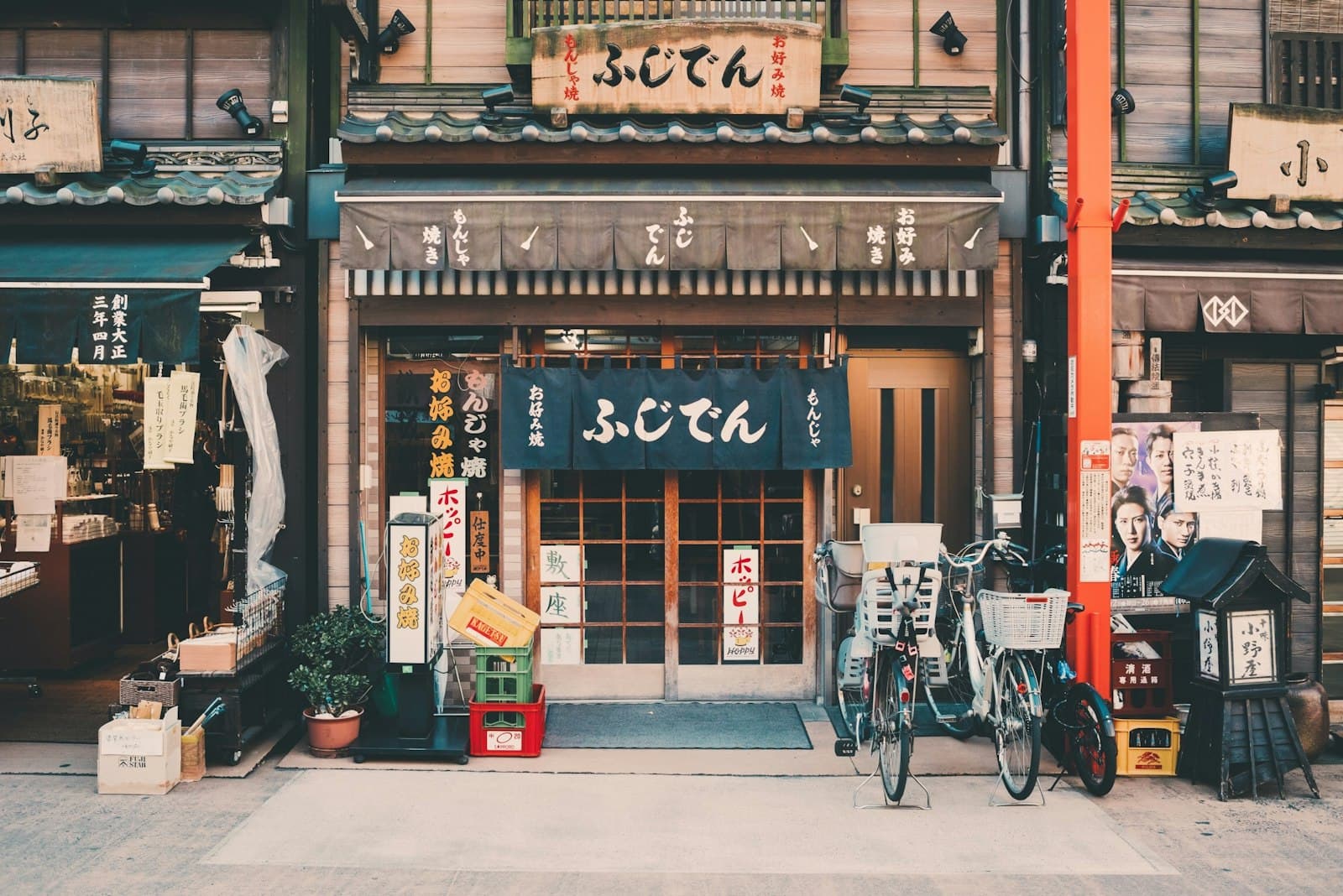
- Small ramen shops and old-school izakaya (居酒屋) that still do not accept cards
- Shrine and temple offerings, always 5 or 10 yen coins
- Small collab cafe bento shops, pop-up stands, and doujin market payments
- Many coin lockers (though Suica-enabled lockers are spreading)
- Most taxis outside of Tokyo's 23 wards
- Small gachapon machines (almost all coin-only)
- Rural buses with no IC reader
- Traditional ryokan and family-run minshuku
- Tipping a tour guide politely in an envelope, not standard practice, but done for private guides
You will not need cash for:
- Konbini (7-Eleven, Lawson, FamilyMart), all accept cards and mobile pay
- Major department stores, chain restaurants, and train companies
- Anime chain retailers like Animate, Mandarake, Kotobukiya
- Most hotel chains and reputable booking platforms
My rule of thumb: carry 10,000 yen in cash at all times, mostly in 1,000-yen notes and 100-yen coins. Refill at a konbini ATM before you run out.
The Anime Fan's Pre-Trip Checklist
I keep this as a single list because it is exactly what I paste to every friend before they fly:
- Valid passport with 6+ months remaining
- Visit Japan Web QR code ready
- eSIM installed but not activated (activate on arrival)
- Accommodation confirmations printed and saved offline
- Collab cafe reservations with confirmation codes on a single page
- Google Maps offline Tokyo and Osaka maps pre-downloaded
- Comfortable walking shoes — you will average 18,000 to 25,000 steps per day
- A day bag for merch (your suitcase will not be enough)
- Power adapter (Japan uses Type A, 100V)
- An empty water bottle to refill at vending machines
- Small hand sanitizer (some older shops still prefer it)
- A handkerchief or small towel, public restrooms often have no paper towels or dryers
If you are planning to do figure shopping or cosplay buying, see our anime trip checklist for fans for the specific customs rules on bringing merchandise home.
The Unspoken Rules Nobody Tells You
These are the small cultural rules that most Tokyo locals will forgive you for breaking once, but notice every time. Getting them right makes you feel instantly comfortable.
On the train. Phone on silent, no calls, no speakerphone. Backpack to the front of your body during rush hour. Do not eat or drink except bottled water. Queue in the marked lines on the platform. The first and last cars are often women-only during morning rush, check the pink signs on the floor.
In collab cafes and themed restaurants. Do not photograph staff faces without asking. Do not photograph other guests' tables. Finish drinks before leaving. Say gochisousama (ごちそうさま) when you leave, staff will smile every time.
In shops. Do not haggle. Prices are fixed. Receive change with both hands when possible, or at least one hand with a small nod. Do not open packaged merch to inspect it.
On the sidewalk. Walk on the left in Tokyo, right in Osaka, yes, really. Do not eat while walking in most neighborhoods. Smoke only in designated smoking areas. Keep trash with you until you find a bin, because there are almost none in public.
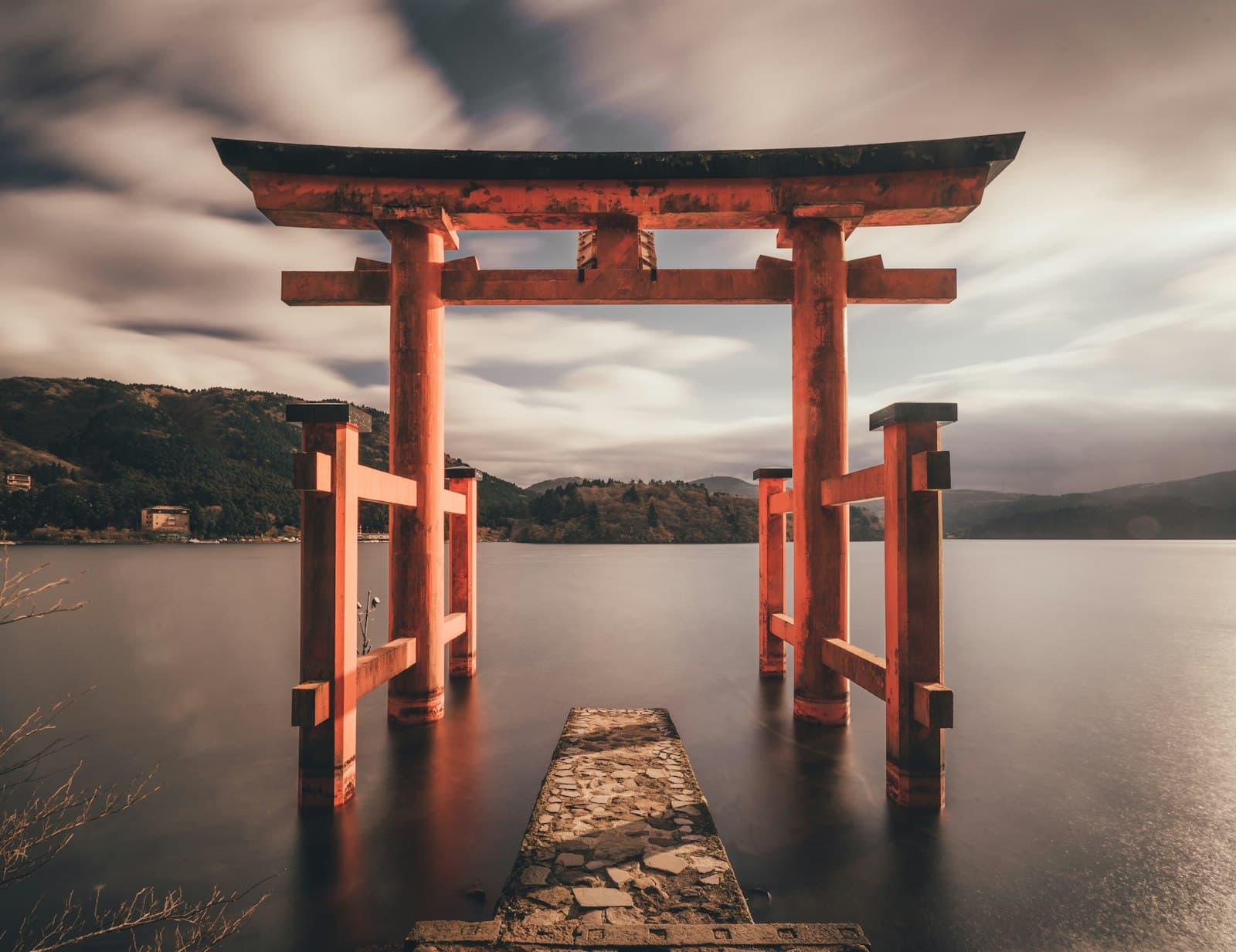
At shrines and temples. Bow once before passing through the torii (鳥居). Rinse hands at the temizuya (手水舎). Toss a 5-yen coin before praying. 5 yen (go-en, 五円) is homophonous with the word for a good connection (also pronounced go-en). Do not take photos inside the main hall.
Near pilgrimage spots. This matters most for anime fans. Many seichi junrei (聖地巡礼) locations are residential neighborhoods or working shrines. Keep your voice down, do not block driveways, and never knock on real houses that appear in anime.
Why fans line up for this one
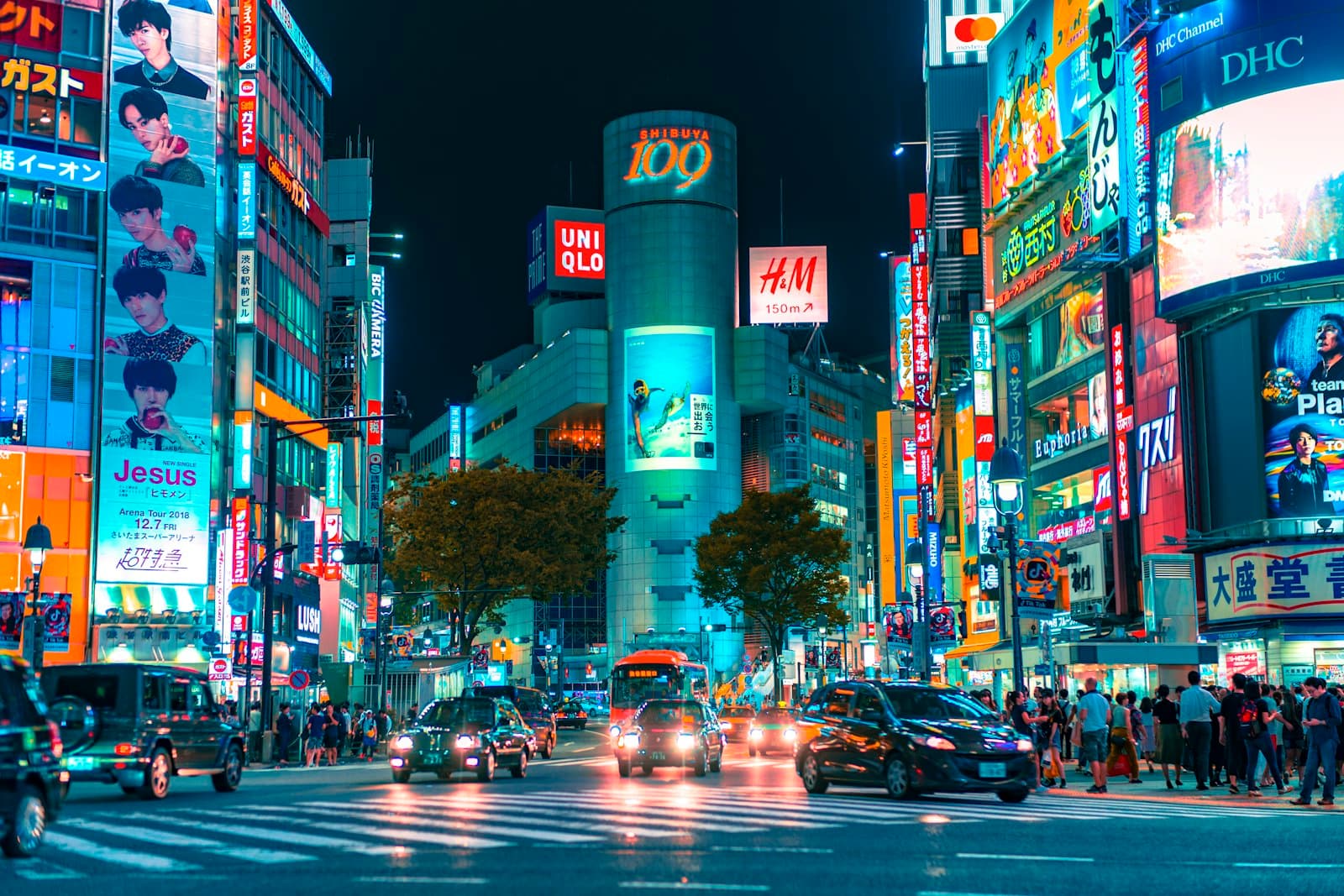
Most visitors describe their first trip to Japan as a sensory overload followed by a strange feeling of calm. The contrast is real. Tokyo has 37 million people in the greater metro area — the largest in the world — and yet rush-hour trains are nearly silent and convenience stores are spotless at 3 AM.
Part of this is practical. Public trust is high, so shops run on low-friction systems. Service workers are paid stable wages rather than tips, so the interaction is warm but transactional rather than performative. Noise is minimized everywhere because shared space is taken seriously.
Part of it is aesthetic. Japanese pop culture, anime, manga, J-pop, gaming — grew up inside that context. The slice-of-life genre exists because ordinary life here actually has a lot of quiet moments worth showing on screen. When you visit a real seichi junrei spot, you are walking through the same kind of quiet street the animators drew from memory.
That is why I think the first Japan trip hits anime fans harder than any other kind of tourism. The background art of your favorite show is real, the vending machines are real, the train announcements are real, and you already know what they sound like. You do not feel like a tourist. You feel like someone who finally got to walk onto a set.
Practical Info Quick Reference
| Item | Detail |
|---|---|
| Best airports | Haneda (HND) for Tokyo, Narita (NRT) as backup |
| IC card options | Welcome Suica (Narita), PASMO Passport (Haneda), or mobile Suica via Apple/Google Wallet |
| Typical airport to Shinjuku cost | Narita Express approx 3,250 yen, Skyliner + subway approx 2,700 yen, Haneda Monorail + JR approx 660 yen |
| Cash to carry | 10,000 yen minimum, refill at konbini ATMs |
| eSIM pre-order | 7 to 14 days of data for approx 2,500 to 5,000 yen |
| Collab cafe reservation window | 2 to 4 weeks out, Japanese-only flow |
| Power outlet | Type A, 100V, no adapter needed for most US plugs |
| Tipping | Not practiced; do not tip in restaurants or taxis |
| Tap water | Safe to drink in every major city |
| Language help | Google Translate camera mode works well for menus |
FAQ: Frequently Asked Questions
Q: How much cash should I bring for my first week in Japan as an anime fan?
Budget around 15,000 to 25,000 yen in cash for your first day, and refill from ATMs as needed. Most anime chain shops, chain restaurants, hotels, and trains accept cards, but small gachapon, temple offerings, and older ramen shops still require cash.
Q: Do first-time visitors need a JR Pass?
Only if you are doing round-trip Tokyo to Kyoto and Osaka in 7 days or less. For a Tokyo-only trip, the 3-day Tokyo Subway Ticket at 1,500 yen is much cheaper. Our JR Pass guide has a break-even calculator.
Q: Can I book anime collab cafes from outside Japan?
Yes, but most reservation portals are Japanese-only and require a Japanese phone number for SMS verification. Workarounds include using Klook's English-language reservation partner or booking through a concierge service. Our collab cafe booking guide explains the exact steps.
Q: Is Tokyo really safe for solo travelers?
Yes, Tokyo is one of the safest major cities in the world for solo travelers including solo women. Late-night train rides, 24-hour convenience stores, and walking back to your hotel at midnight are all routine. Normal travel precautions still apply, keep your bag zipped, watch for drunk crowds near Shinjuku Kabukicho, and do not leave valuables on cafe tables.
Q: What is the worst time of year for a first-time anime trip?
Late July through mid-August (peak summer) is brutal — 35 degrees Celsius, humid, and long queues at every major pilgrimage spot. Golden Week (late April to early May) and New Year are also painful due to domestic travel congestion. The best first-timer windows are late March, mid-October, and early November.
More Travel Tips Guides
- IC Card and Transit Guide — which card to buy and how to tap through Tokyo like a local.
- eSIM and Pocket Wifi Guide, the three plans I actually recommend.
- Luggage Forwarding Guide, how to skip the suitcase-on-the-Shinkansen stress.
- Anime Trip Checklist, customs rules, packing, merch space.
- Akihabara Complete Guide, your first day's anime walking route.
- Tokyo Anime Districts, where to go after Akihabara.
Get an eSIM before you land — instant activation, no physical SIM swap needed. Data plans from ¥1,000 for 7 days.
Follow @pop_now_jp on Threads for daily Tokyo pop culture updates.
Free Weekly Guide
Free: Top 10 Anime Collab Cafes Open This Month
Join anime fans getting weekly collab cafe updates, pilgrimage guides, and Japan travel tips.
One-click unsubscribe in every email. Operated by Japan Pop Now from Tokyo, Japan. We do not sell, rent, or share your email. See our Privacy Policy and Terms for full details.
You Might Also Like
Japan IC Card 2026: Welcome Suica + Apple/Google Pay
Japan eSIM vs Pocket WiFi vs SIM Card: 2026 Tourist Guide
Japan Rail Pass 2026: Worth ¥50,000? Calculator Inside
Japan Luggage Forwarding 2026: Ship Bags for ¥2,000
