Tokyo Anime Districts 2026: Akihabara, Nakano + 3 More
This guide includes affiliate links. We earn a small commission at no extra cost to you.
Last updated: March 2026. The complete guide to every anime and pop culture neighborhood in Tokyo, where to go, what to buy, and how to plan your route across all districts.
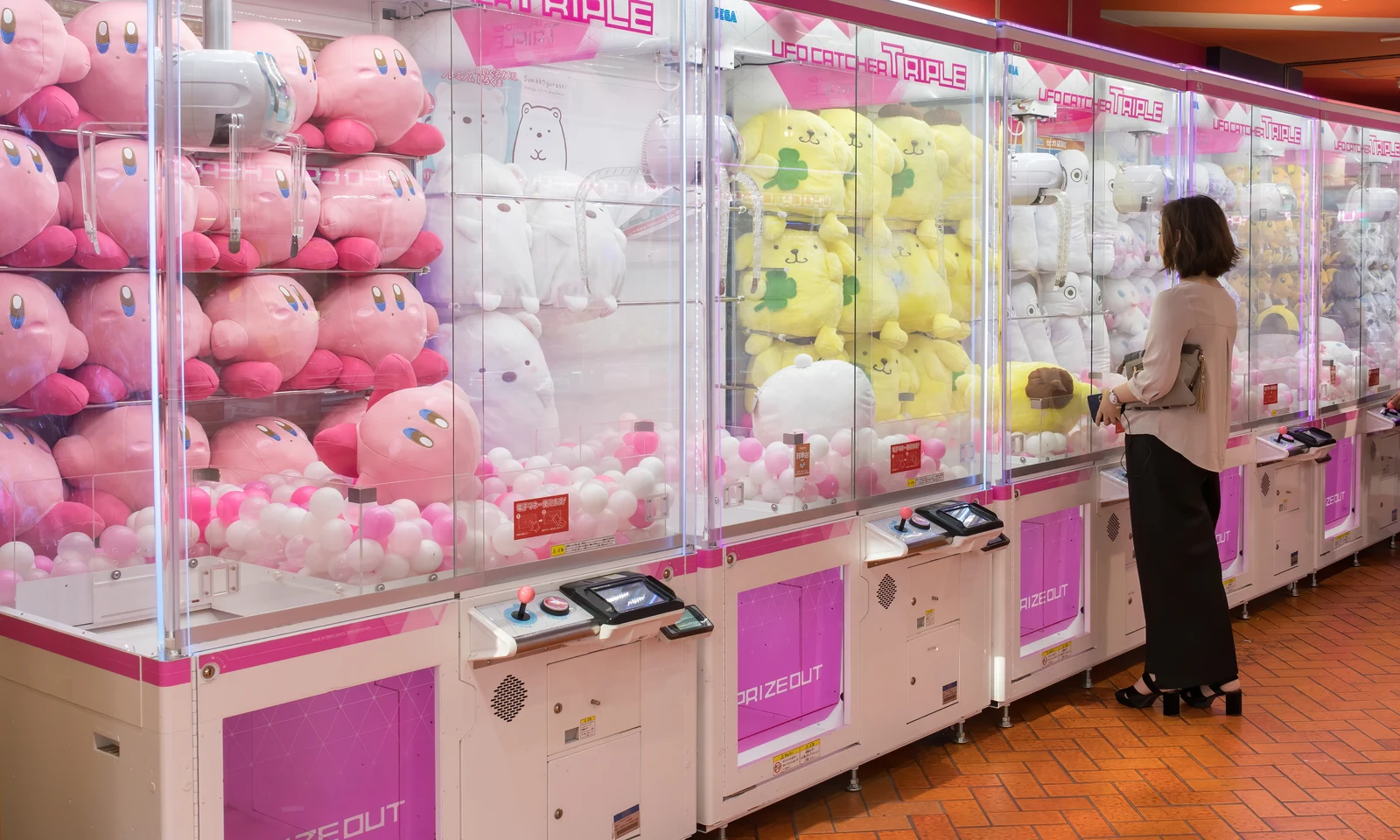 Photo: Basile Morin / Wikimedia Commons, CC BY-SA 4.0
Tokyo doesn’t have one anime district. It has at least five, and each one serves a completely different type of fan.
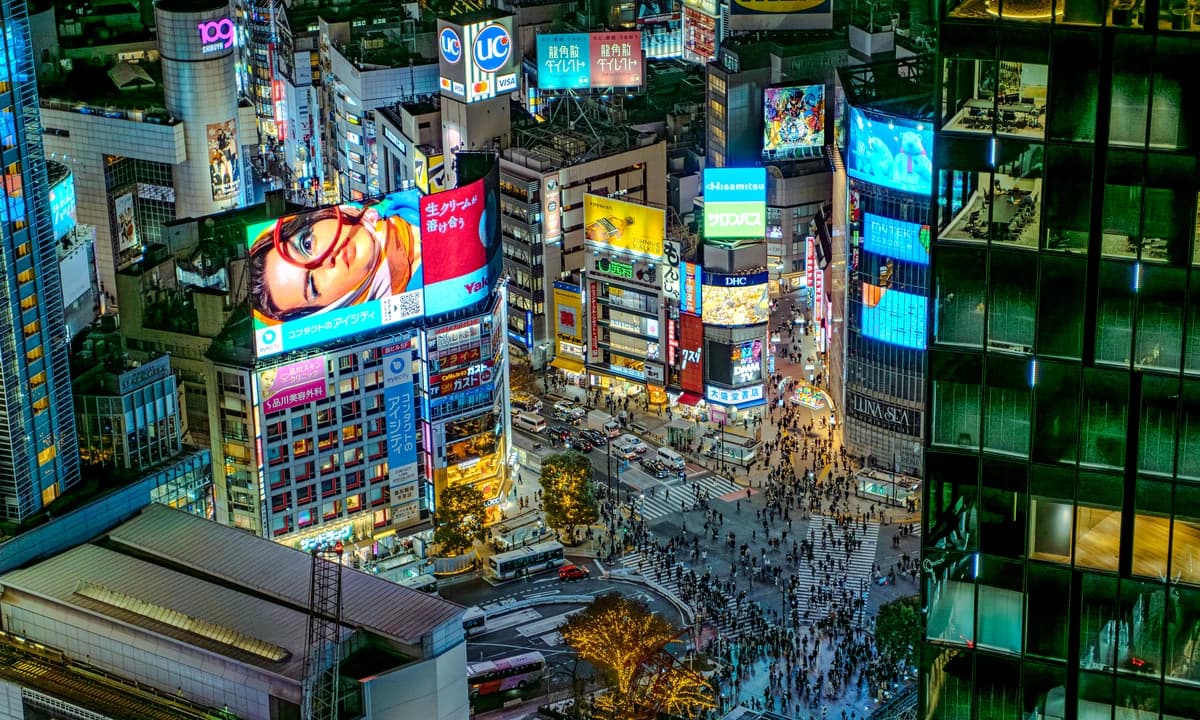
Akihabara is the name everyone knows, and it deserves its reputation. But there's also Ikebukuro, which is the center of the female-oriented fandom universe (Animate flagship anchors the Otome Road strip). Nakano Broadway, where serious collectors hunt for rare vintage goods. Shibuya, where the gaming flagships and official brand stores have quietly gathered (THE JOJO WORLD at Shibuya PARCO 6F is the newest permanent arrival). And Harajuku, where the kawaii aesthetic that fuels half of anime's visual language was born (Kiddy Land Harajuku is the multi-IP flagship).
Most visitors make the mistake of going to Akihabara and thinking they’ve seen “anime Tokyo.” They haven’t. They’ve seen one version of it. Coverage below spans all the major districts — what each one is best for, and how to plan an efficient route across multiple areas during your trip.
Quick Comparison: Which District Is Right for You?
| District | Best For | Vibe | Time Needed |
|---|---|---|---|
| Akihabara | New releases, arcades, maid cafes, broadest selection | Electric, crowded, sensory overload | Half day – full day |
| Ikebukuro | BL/otome, female fandoms, Animate HQ, Sunshine City | Otome Road energy, mix of mainstream and niche | Half day – full day |
| Nakano Broadway | Vintage, rare, secondhand, Mandarake empire | Quiet, maze-like, treasure-hunt feel | 2–4 hours |
| Shibuya | Nintendo, Pokémon, Jump Shop, Capcom, official flagships | Polished, mainstream, accessible | 2–3 hours |
| Harajuku | Kawaii culture, character goods, Sanrio, street fashion | Colorful, youthful, creative | 2–4 hours |
Akihabara. The One Everyone Knows
Read our complete Akihabara guide →
Akihabara is the world’s most famous anime district for a reason. Concentration of shops per square meter is unmatched. You can walk from one end of the main strip to the other in 15 minutes, passing multi-story anime retailers, figure shops, manga stores, arcades, maid cafes, and trading card specialists on every block.
What Akihabara does best: current-season merchandise. If an anime is airing right now, Akihabara will have the largest selection of goods for it, figures, keychains, posters, apparel, and limited-edition collaboration items. It’s also the best district for arcades (GiGO (formerly SEGA), Taito Station) and maid cafe culture if you’re curious about that side of otaku life.
Key stores: Animate Akihabara (the chain’s flagship-adjacent store), Mandarake Complex (8 floors), AmiAmi (figure specialists), Kotobukiya, Surugaya, and dozens of smaller shops on the side streets that reward exploration.
Catch: Akihabara is a major tourist destination, and prices reflect that. Shops on the main street know that tourists will pay a premium. Side streets and upper floors are where better secondhand value hides.
Full guide: Akihabara Complete Guide 2026
| Station | JR Akihabara Station (Yamanote Line, Chuo-Sobu Line): Electric Town Exit |
|---|---|
| Also served by | Tokyo Metro Hibiya Line, Tsukuba Express |
| Peak hours | Weekday: 14:00–19:00. Weekend: 12:00–18:00 (extremely crowded) |
| Best time | Weekday mornings (10:00–12:00) for comfortable browsing |
Weekly Tips
Get weekly anime travel tips — Join 1,000+ fans
Ikebukuro. The Other Capital
Read our complete Ikebukuro guide →
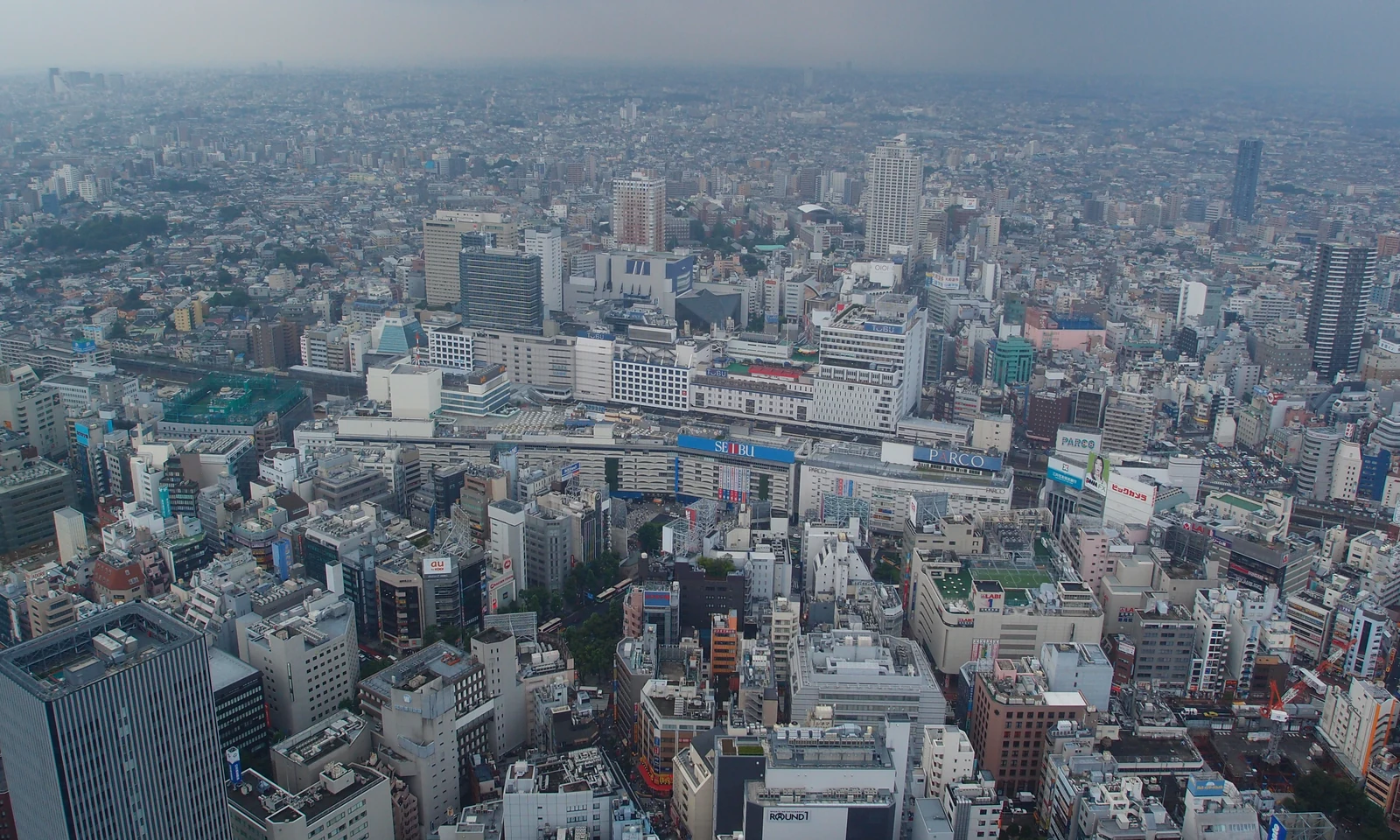 Photo: Guilhem Vellut / Wikimedia Commons, CC BY 2.0
If Akihabara leans male-oriented (shonen, mecha, figure collecting), Ikebukuro is its counterpart. Otome Road, a stretch of shops along the east side of Sunshine 60 Street, is the heart of Japan’s female fandom scene. BL (boys’ love), otome games, voice actor goods, idol merchandise, and doujinshi for every ship imaginable.
But Ikebukuro isn’t only for female fans. It’s also home to:
Animate Ikebukuro Main Store — the headquarters and largest branch of Japan’s biggest anime retailer. Multiple floors of merchandise, a cafe on the upper level, and events running almost daily. Single largest anime store in Tokyo by floor space.
Sunshine City, a massive shopping and entertainment complex that houses Namjatown (a food theme park), J-World’s spiritual successors, Pokémon Center Mega Tokyo, and rotating anime exhibitions.
Otome Road shops. K-Books, Lashinbang, Animate Cafe Ikebukuro, and the cluster of BL/otome specialty stores that make this street unique in the world.
Detailed guide: Ikebukuro Anime Guide 2026
| Station | JR Ikebukuro Station (Yamanote Line). East Exit for Otome Road, Sunshine City |
|---|---|
| Also served by | Tokyo Metro Marunouchi, Yurakucho, Fukutoshin Lines; Seibu/Tobu Lines |
| Peak hours | Weekends around Sunshine City are packed. Otome Road is busy on weekday evenings. |
Nakano Broadway. The Collector’s Sanctuary
Read our Nakano Broadway guide →
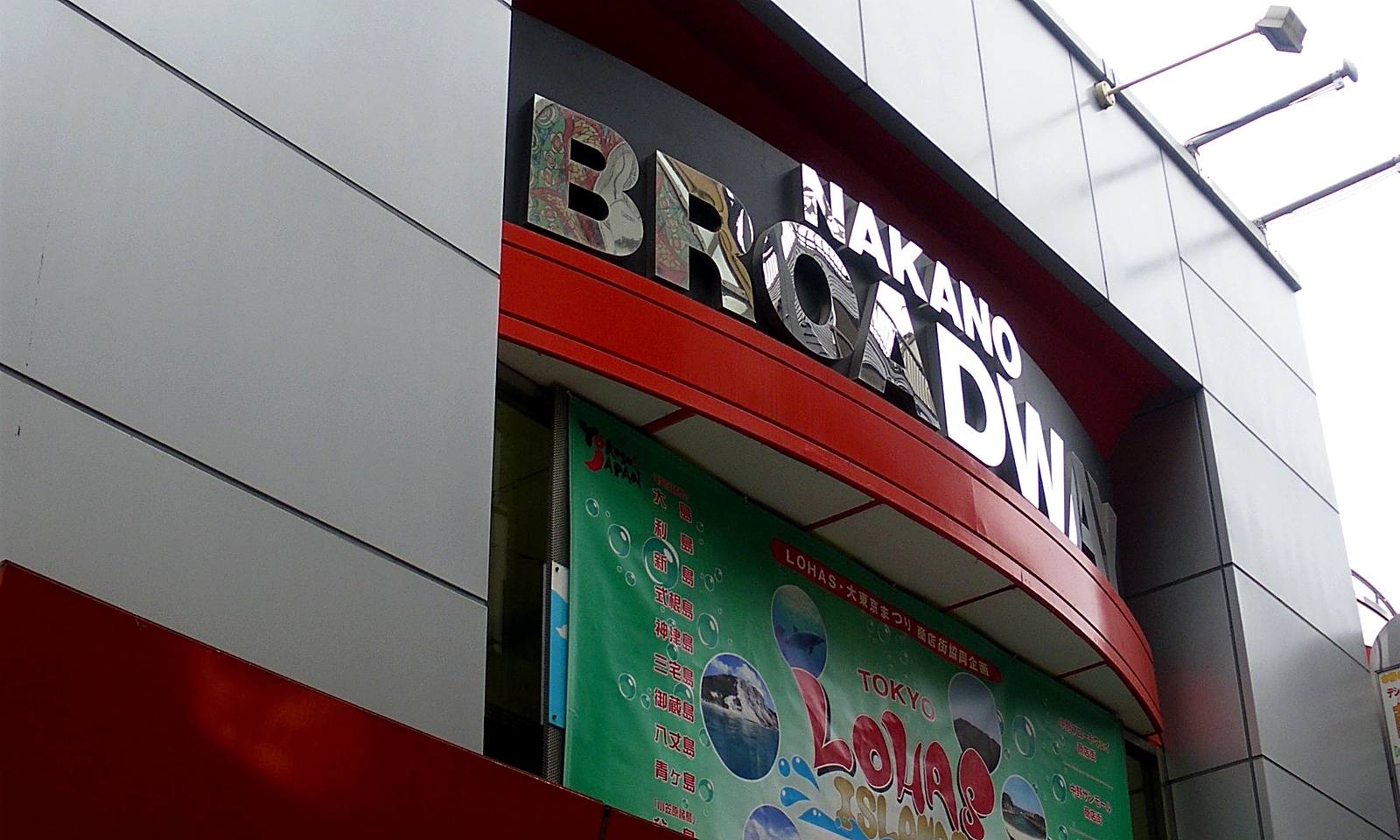 Photo: User:Kentin / Wikimedia Commons, CC BY-SA 3.0
Five minutes from Shinjuku on the JR Chuo Line, Nakano Broadway is a vertical shopping complex with over 300 shops across four floors. Mandarake, the world’s largest secondhand anime retailer, was born here in 1980 — and operates over 30 individual specialty stores under one roof.
What Nakano Broadway does best: rare and vintage. First-edition manga for ¥100. Discontinued figures from series that ended a decade ago. Animation cels from classic anime. Vintage Sentai toys still in their original packaging. If it’s out of print and someone in Tokyo is selling it, there’s a good chance it’s here.
Atmosphere here is the opposite of Akihabara. Quiet corridors, local neighborhood feel, and a crowd that’s mostly Japanese collectors rather than tourists. Building's basement has a local food market and the famous Daily Chico soft serve stand (eight flavors, ¥1,000, spectacularly photogenic).
Companion guide: Nakano Broadway Guide. Tokyo’s Best-Kept Anime Secret
| Station | JR Nakano Station (Chuo Line), North Exit. 5 min walk through Nakano Sun Mall |
|---|---|
| From Shinjuku | JR Chuo Rapid, 1 stop, 5 min, ¥200 |
| Building hours | 10:00–20:00 (most shops open 12:00) |
Get There by Rail
The Japan Rail Pass covers pilgrimage routes and otaku district day trips. Compare 7, 14, and 21-day options — prices recently dropped.
from ¥50,000 / 7 days
Compare JR Pass PricesShibuya — The Gaming and Mainstream Hub
Read our Shibuya & Harajuku guide →
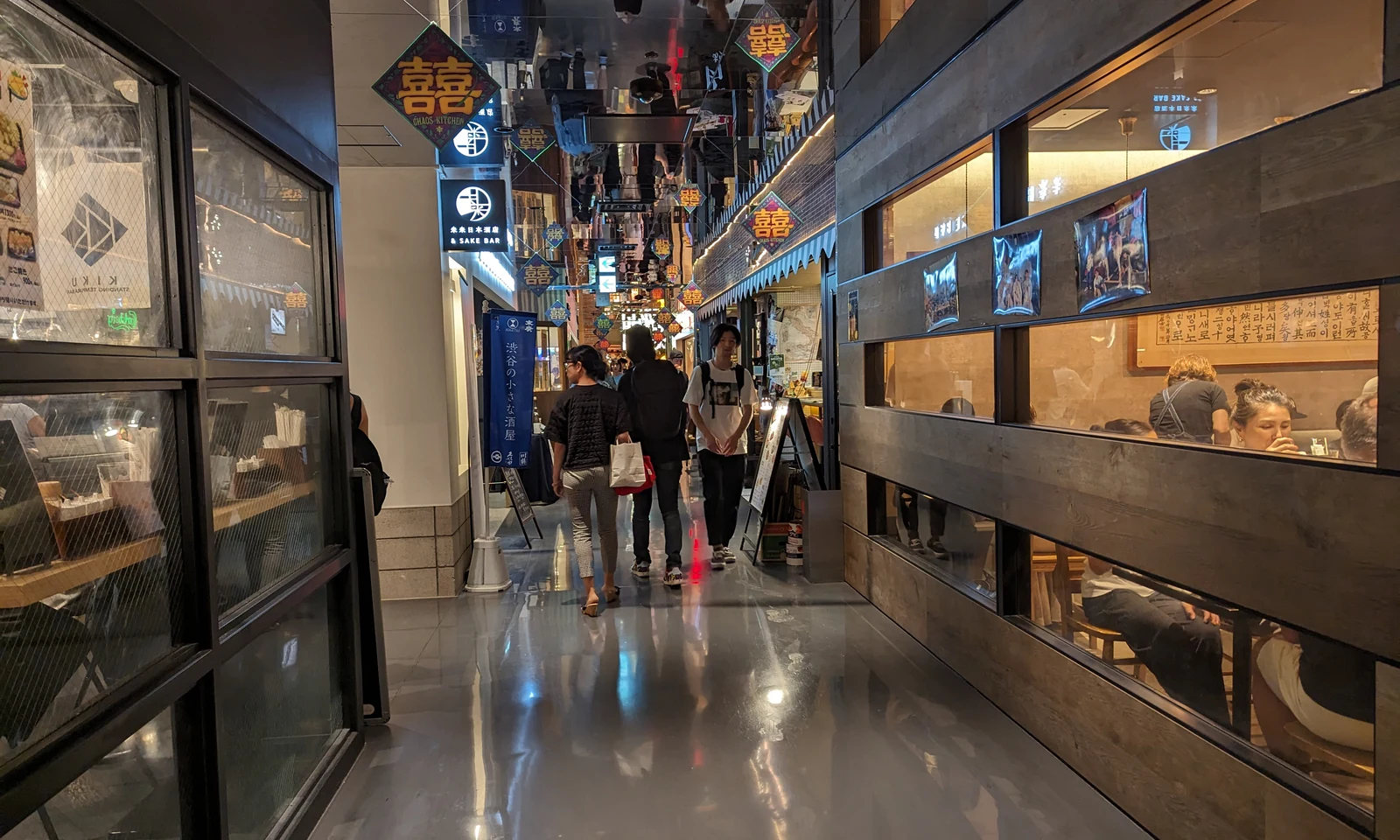 Photo: Syced / Wikimedia Commons, CC0
Shibuya’s pop culture identity has crystallized around Shibuya PARCO, where the entire 6th floor, branded “Cyberspace SHIBUYA”, houses Nintendo TOKYO, Pokémon Center Shibuya, Jump Shop, Capcom Store, and Godzilla Store, all in one place. It’s the most efficient single-floor anime/gaming shopping experience in Tokyo.
Beyond PARCO, Shibuya offers MEGA Don Quijote’s 24-hour cosplay and anime goods floor, Tower Records’ anime music section with rotating pop-up collaborations, and MAGNET by SHIBUYA109’s gacha-gacha paradise and anime collab stores.
Shibuya doesn’t feel like an “anime district” the way Akihabara does. Feels like a normal shopping neighborhood that happens to contain some of the best official gaming and anime retail in the city. That’s part of its appeal — if you’re traveling with people who aren’t into anime, Shibuya gives everyone something to do.
Deeper coverage: Shibuya & Harajuku Pop Culture Guide
| Station | JR Shibuya Station (Yamanote Line): Hachiko Exit |
|---|---|
| Key destination | Shibuya PARCO 6F. 7 min walk uphill from the station |
Harajuku. Where Kawaii Culture Lives
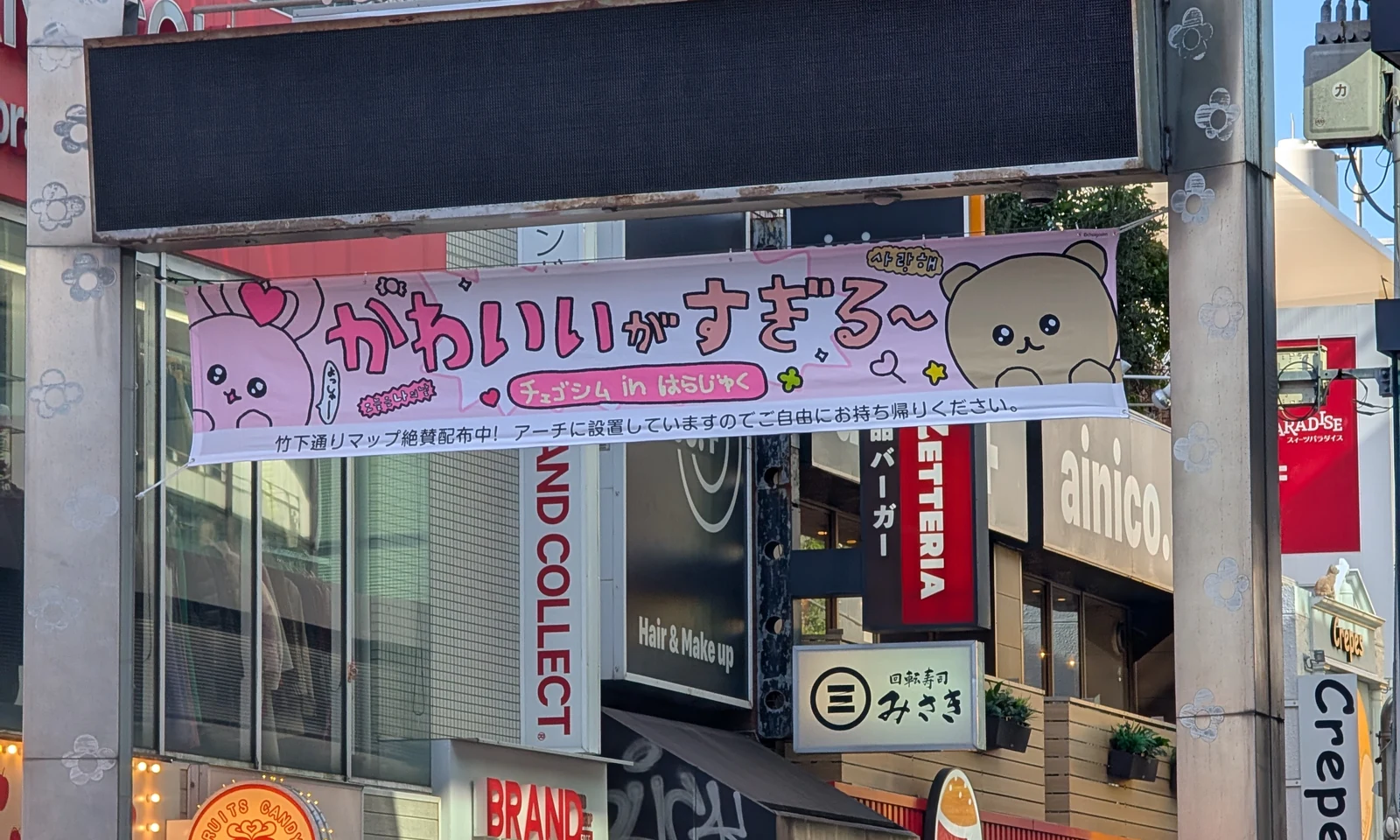 Photo: Syced / Wikimedia Commons, CC0
Harajuku is the visual source code of Japanese pop culture. Kawaii aesthetic, street fashion, character-goods obsession — visual language that anime uses constantly was developed here, on Takeshita Street and in the surrounding neighborhoods.
For anime fans, Harajuku offers Kiddy Land (four floors of character goods including Studio Ghibli, Pokémon, and Sanrio), the new Kawaii Monster Land (an immersive underground kawaii theme park opened in 2026), the Sanrio Kawaii Factory Store & Cafe, and Design Festa Gallery (free art exhibitions with heavy anime and manga influence).
Cat Street, the kilometer-long path connecting Harajuku to Shibuya, adds vintage streetwear shops and the neighborhood where brands like A Bathing Ape were born. It’s the fashion side of the culture that produces anime.
Companion guide: Shibuya & Harajuku Pop Culture Guide
| Station | JR Harajuku Station (Yamanote Line) — Takeshita Exit |
|---|---|
| Also served by | Tokyo Metro Meiji-jingumae Station (Chiyoda/Fukutoshin Lines) |
| Walking to Shibuya | 15 min via Cat Street, one of Tokyo’s best urban walks |
Planning Your Route: Multi-District Itineraries
All five districts are connected by the JR Yamanote Line — Tokyo’s circular loop, or a single transfer from it. Here’s how to efficiently combine multiple districts depending on how many days you have:
One Day: The Essentials
Morning: Akihabara (3-4 hours) → Afternoon: Ikebukuro (2-3 hours)
Take the JR Yamanote Line from Akihabara to Ikebukuro, about 25 minutes. Such a route covers the two biggest districts and the broadest range of merchandise. Start in Akihabara early (shops open 10:00–11:00) and head to Ikebukuro after lunch.
Two Days: The Complete Experience
Day 1: Akihabara (morning–early afternoon) → Nakano Broadway (late afternoon)
Take the Chuo-Sobu Line from Akihabara to Nakano, about 30 minutes. Akihabara for new goods, Nakano for vintage and rare finds. Contrast between them makes both destinations more interesting.
Day 2: Shibuya PARCO (morning) → Cat Street walk → Harajuku (afternoon) → Ikebukuro (evening)
Shibuya and Harajuku connect naturally via a 15-minute walk. After Harajuku, take the Yamanote Line to Ikebukuro. 20 minutes.
Three or More Days: The Deep Dive
Give each district its own half-day or full day. Browsing without rushing means you can revisit shops for a second look, and catch things you missed. Serious collectors and first-time visitors to Japan will both benefit from this pace.
| Route | Train | Time |
|---|---|---|
| Akihabara → Ikebukuro | JR Yamanote Line | ~25 min |
| Akihabara → Nakano | JR Chuo-Sobu Line | ~30 min |
| Shinjuku → Nakano | JR Chuo Rapid | ~5 min |
| Shibuya → Harajuku | Walk (Cat Street) or JR Yamanote | 15 min walk / 3 min train |
| Harajuku → Ikebukuro | JR Yamanote Line | ~20 min |
| Ikebukuro → Akihabara | Tokyo Metro Marunouchi Line | ~20 min (transfer at Ochanomizu) |
Get a Suica or Pasmo IC card. Tap-in, tap-out on every train and bus in Tokyo. Buy one from any JR station ticket machine (or use a Suica app on iPhone). Saves time, eliminates the need to buy individual tickets, and works at convenience stores and vending machines too. Expect to use it dozens of times per day across all anime districts.
Related Reads
Beyond the Big Five: Other Notable Spots
Tokyo’s anime landscape extends beyond the five main districts. A few other spots worth knowing about:
Odaiba — Home to the life-size Unicorn Gundam statue at DiverCity Tokyo Plaza, teamLab exhibitions, and seasonal anime events. Worth a half-day trip for the Gundam alone.
Shinjuku. Kabukicho Tower’s entertainment complex, the Godzilla Head at Hotel Gracery, and multiple anime goods shops near the station. Not a dedicated anime district, but it has enough to fill a few hours.
Jimbocho — Tokyo’s book district. Dozens of used bookstores, including several specializing in manga and anime artbooks. A local favorite for collectors who read Japanese or collect for the artwork.
Mitaka. The Studio Ghibli Museum. Requires advance reservations (months ahead for popular dates). A pilgrimage destination for Ghibli fans, but not a shopping district.
FAQ: Frequently Asked Questions
Which anime district should I visit if I only have time for one?
Akihabara. It has the broadest selection, the most shops, and the full “anime district” atmosphere that you came to Tokyo to experience. Every other district excels at something specific, but Akihabara covers the most ground.
Which district has the cheapest prices?
Nakano Broadway for secondhand goods. Smaller shops, less tourist markup, and Mandarake’s pricing is generally fair. For new items, prices are fairly consistent across all districts, the same figure costs roughly the same at Animate in Akihabara and Animate in Ikebukuro.
Are any of these districts good for anime collab cafes?
Yes. Ikebukuro has Animate Cafe and multiple collab cafes in Sunshine City. Akihabara has themed cafes throughout. Shibuya hosts box cafes at SHIBUYA109. Check our anime collab cafe booking guide for what’s currently running and how to reserve.
Traveling with someone who doesn’t care about anime. Which district works for both of us?
Shibuya + Harajuku. Shibuya PARCO’s 6th floor handles the anime shopping in 90 minutes, while the rest of the building, the surrounding restaurants, and Scramble Crossing give your non-anime companion plenty to do. Harajuku’s fashion scene and Meiji Jingu shrine appeal to everyone.
Is it safe to shop in these areas at night?
Tokyo is exceptionally safe. All five districts are well-lit and heavily trafficked until late evening. Most shops close by 20:00–21:00, but the surrounding restaurants and entertainment stay open much later.
Cover All Tokyo Anime Districts in One Day
A guided anime district tour hits Akihabara, Ikebukuro, and Nakano in a single day with a local otaku guide. Much more efficient than figuring out the train connections yourself.
Related Guides
- Akihabara Complete Guide 2026
- Ikebukuro Anime Guide 2026
- Nakano Broadway Guide. Tokyo’s Best-Kept Anime Secret
- Shibuya & Harajuku Pop Culture Guide. Beyond the Tourist Surface
- How to Book an Anime Collab Cafe in Japan
- 10 Anime Pilgrimage Spots in Tokyo You Can Visit Today
- Osaka Anime Guide: Den Den Town, Collab Cafes & Beyond
- Osaka Anime Guide: Den Den Town, Collab Cafes & Beyond
- Osaka Anime Guide: Den Den Town, Collab Cafes & Beyond
- Osaka Anime Guide: Den Den Town, Collab Cafes & Beyond
Related Guides
- Anime Merch Shopping Guide Japan
- Japanese Game Centers & Arcades Guide
- Gachapon Guide Japan
- 10 Anime Pilgrimage Spots in Tokyo
- Japan IC Card Transit Guide
Explore Specific Tokyo Neighborhoods
- Jujutsu Kaisen Shibuya Pilgrimage Guide: Walk the real Shibuya locations from JJK with maps, photos, and access tips
- SPY×FAMILY Tokyo Location Guide. Visit real Tokyo spots from SPY×FAMILY including cafes, parks, and event venues
- Best Anime Hotels & Themed Rooms in Japan: Stay in anime-themed rooms across Tokyo and Japan, from Shibuya to Akihabara
- AnimeJapan & Comiket Survival Guide. Everything you need for Japan’s biggest anime events at Tokyo Big Sight
Planning a trip to Tokyo?
Check our complete guide to anime collaboration cafes currently open →
The Japan Rail Pass covers pilgrimage routes and otaku district day trips. Compare 7, 14, and 21-day options — prices recently dropped.
Follow @pop_now_jp on Threads for daily Tokyo pop culture updates.
Free Weekly Guide
Free: Top 10 Anime Collab Cafes Open This Month
Join anime fans getting weekly collab cafe updates, pilgrimage guides, and Japan travel tips.
One-click unsubscribe in every email. Operated by Japan Pop Now from Tokyo, Japan. We do not sell, rent, or share your email. See our Privacy Policy and Terms for full details.
You Might Also Like
Naruto Tokyo Pilgrimage 2026: Shinobi Locations Guide

Slam Dunk Kamakura Pilgrimage 2026: Famous Crossing & More

7 Anime Day Trips from Tokyo 2026: JR Pass Pilgrimage Guide
Detective Conan Pilgrimage & Events 2026: 30th Anniversary