Akihabara: The Complete Pop Culture Guide for 2026
This guide includes affiliate links. We earn a small commission at no extra cost to you.
TL;DR
Akihabara complete visitor guide 2026 (Animate / retro gaming / gachapon)。アクセス: JR Akihabara Station Electric Town Exit + 徒歩 5-10 分 station ring。営業時間: 店舗別 (典型 11:00-22:00 帯)。価格目安: Animate Gratte ¥700-900 / retro gaming arcade ¥100 per play / gachapon ¥200-500 per turn (本文 verbatim §52+80+88)。Wheelchair-accessible Electric Town Exit + English staff at flagship Animate。Akihabara vs Ikebukuro: Akihabara has retro gaming density, Ikebukuro has female-oriented retail。Before / after Animate Annex closure (2024): newer flagship at AKIBA TOLIM picks up the slack。
Last updated: May 6, 2026. Written from weekly visits, not from a single tourist trip. May 2026 freshness note: Two changes worth flagging before you visit. First, K-BOOKS Akihabara Honkan and MEN'S Store in Radio Kaikan reopened on April 28, 2026 after a renewal, interior refreshed, layout reorganized, but tenants unchanged. Second, VTuber EXPO 2026 ran on Chuo Dori during Golden Week (May 3–4), confirming Akihabara as the de facto VTuber capital for tourists; expect more permanent VTuber-themed retail and pop-ups this summer. Hours and prices for the shops below are current as of this update. Every English-language guide to Akihabara tells you the same five things: go to Animate, visit a maid cafe, check out the electronics, take a photo on the main street, and leave. That version of Akihabara is real, but its only the surface. The Akihabara that locals know is a neighborhood of layers. The best shops are on the 5th floor of buildings with no English signage. The most interesting finds are in basement-level stores youd walk past without a second glance. The retro game stock rotates after 3:00 PM. The side streets running parallel to the main avenue contain an entirely different ecosystem of specialist shops that cater to obsessions so specific they barely have names in English. This guide covers the Akihabara that rewards people who look past the obvious. Akihabara (. I—) is Tokyos largest electronics and otaku district, located in Chiyoda ward along the JR Yamanote Line, known worldwide as the center of anime, manga, and video game culture in Japan. The district spans roughly 15 blocks and contains over 250 shops specializing in anime merchandise, retro games, figures, trading cards, and electronics. Visitors typically spend 4 to 6 hours exploring the area.
Understanding the Layout (Read This First)
Akihabara is compact, everything fits within a 10-minute walking radius from the station. But the layout isnt intuitive if you dont know the structure. The main artery: Chuo Dori (中央通り). This is the broad avenue running south from the station. The big-name stores are here. Animate, Kotobukiya, Radio Kaikan, Yodobashi Camera. Its where youll spend your first hour getting oriented. The real Akihabara: the side streets. Running perpendicular to Chuo Dori, between the main avenue and the train tracks, are narrower streets packed with smaller, specialist shops. These streets are where you find the retro game stores, the figure-painting workshops, the trading card tournament spaces, and the doujinshi (fan-made manga) shops that Akihabara was built on before it became a tourist destination. The vertical dimension. In most Tokyo shopping areas, the ground floor is the main attraction. In Akihabara, the ground floor is often just the entrance. The best stock is on floors 3-8. If you see a building directory in the lobby listing shops youve never heard of, go up. Thats where the discoveries happen. On Sundays and public holidays (1:00 PM – 6:00 PM, until 5:00 PM October–March), Chuo Dori closes to traffic and becomes a pedestrian zone called Hokousha Tengoku (歩行者天国). This is when cosplayers come out, street performers set up, and the entire street becomes a walkable festival. Its the most photogenic time to visit, but the worst time for serious shopping, the crowds make browsing difficult.
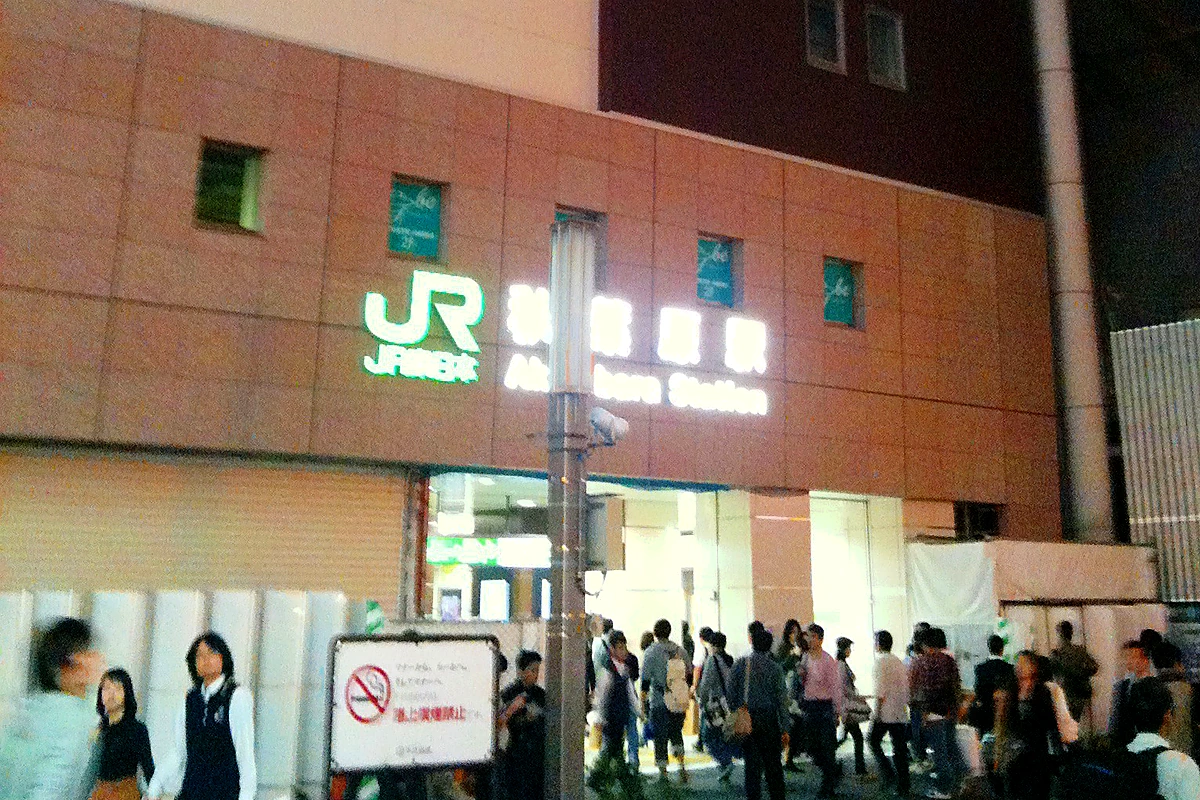 Akihabara Station Electric Town exit the Atre Akihabara 1 facade that anchors the entire shopping grid. Photo: Wikimedia Commons, CC BY 3.0.
Weekly Tips
Get weekly anime travel tips — Join 1,000+ fans
The Essential Stops
Start here on your first visit. These are the landmarks that orient you.
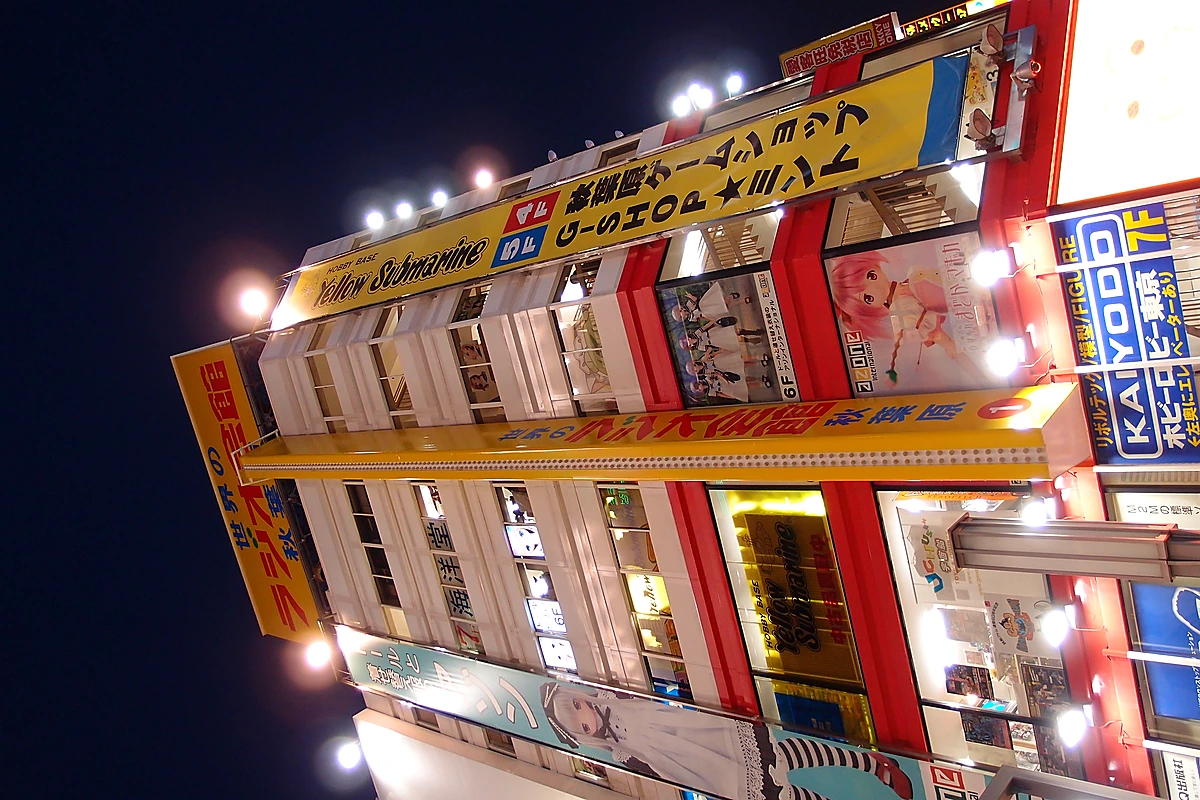 Akihabara by night the layered signage that defines the Electric Town strip from Chuo Dori down the side streets. Photo: Guilhem Vellut / Wikimedia Commons, CC BY 2.0.
Radio Kaikan (ラジオ会館)
The building with the bright yellow facade directly facing the Electric Town exit. Originally built in 1962 for electronics component shops, it was rebuilt in 2014 and now houses multiple floors of anime goods, figures, trading cards, and collectibles. Its the first building most visitors enter, and its a reliable introduction to what Akihabara offers. Key tenants: Volks (hobby models and figures), Kaiyodo (high-end figures), K-BOOKS (manga and doujinshi), Yellow Submarine (trading cards and tabletop games), AmiAmi (4F, one of Japans biggest figure retailers with competitive prices), and magi (5F, trading card/figure marketplace). Address: 1-15-16 Sotokanda, Chiyoda-ku, Tokyo Hours: 10:00–20:00 (some floors vary. B1F closes later). Check the official site for per-floor hours. Access: Directly facing JR Akihabara Station, Electric Town Exit (電気街口). 30 seconds on foot. Website: akihabara-radiokaikan.co.jp
Animate Akihabara
The Akihabara branch of Japans largest anime merchandise chain. Multiple floors covering manga, light novels, character goods, CDs/DVDs, and the Gratte stand in the basement, a no-reservation collab drink counter with rotating character themes every 2 weeks. No booking required; just walk in and order a themed drink for ¥700–900. The Akihabara store isnt the largest Animate (thats the Ikebukuro flagship), but it benefits from being surrounded by complementary specialist shops. After browsing Animates new releases, you can walk to Mandarake or Kotobukiya in under 3 minutes for secondhand and figure-specific shopping. Address: Animate Akihabara ANNEX, 4-3-2 Sotokanda, Chiyoda-ku, Tokyo Hours: 10:00–21:00 daily Access: 5 min walk from JR Akihabara Station, Electric Town Exit Gratte stand B1F, no reservation needed. Current collab themes on animate.co.jp/gratte
Kotobukiya Akihabara
The figure specialist. If you collect anime figures, model kits, or statues, Kotobukiyas Akihabara store has the widest in-store selection of any location. The store carries their own brand (ARTFX, Bishoujo series) alongside a selection from other manufacturers, plus secondhand figures in excellent condition. Pre-order exclusives and store-limited items are regularly available. The staff is knowledgeable and accustomed to international customers, dont hesitate to ask for help finding specific items or comparing products. Address: 1-8-8 Sotokanda, Chiyoda-ku, Tokyo Hours: 10:00–20:00 daily Access: 3 min walk from JR Akihabara Station
Mandarake Akihabara (Complex)
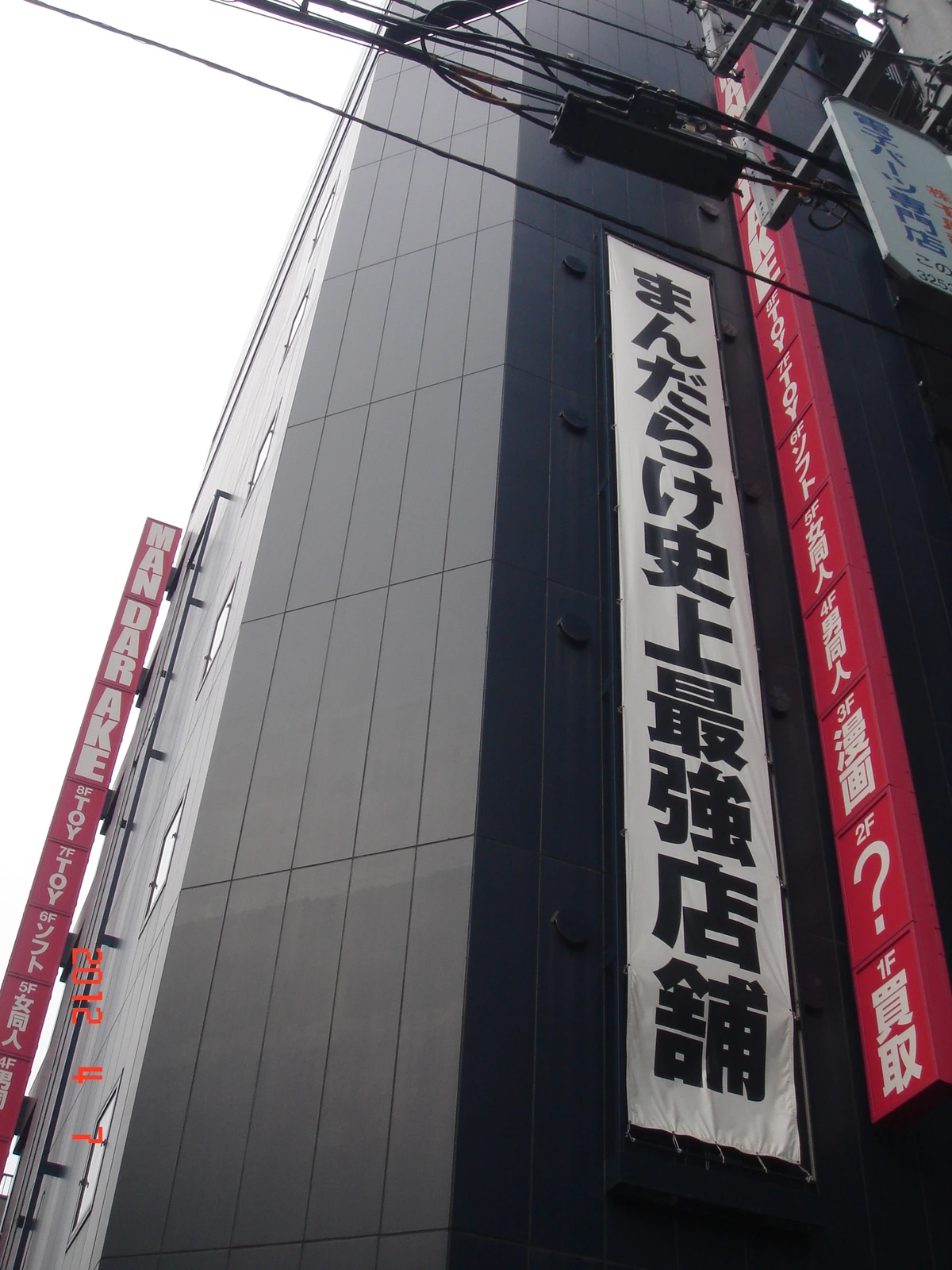 Mandarake Complex Akihabara, eight floors of secondhand anime, manga, figures, doujinshi and vintage cels. Photo by 正和 via Wikimedia Commons (CC BY-SA 3.0)
Eight floors of secondhand anime and manga goods, the treasure hunters paradise. This is where you find discontinued figures, out-of-print manga volumes, vintage anime cels, rare doujinshi, and retro merchandise from series that ended decades ago. Each floor specializes in a different category.
Prices range from surprisingly affordable to serious-collector territory. The condition grading is reliable. Mandarakes quality control is excellent. Japanese fans are meticulous about item care, so secondhand here often means opened once, displayed briefly, repackaged perfectly.
Address: 3-11-12 Sotokanda, Chiyoda-ku, Tokyo
Hours: 12:00–20:00 daily
Access: 5 min walk from JR Akihabara Station, toward Suehirocho
💡 Local tip: The Mandarake in Akihabara and the one in Nakano Broadway carry different stock. If youre a serious collector, visit both (Nakano is 25 min from Akihabara on the Chuo Line, change at Shinjuku). See our Nakano Broadway Guide for details.
Mandarake Complex Akihabara, eight floors of secondhand anime, manga, figures, doujinshi and vintage cels. Photo by 正和 via Wikimedia Commons (CC BY-SA 3.0)
Eight floors of secondhand anime and manga goods, the treasure hunters paradise. This is where you find discontinued figures, out-of-print manga volumes, vintage anime cels, rare doujinshi, and retro merchandise from series that ended decades ago. Each floor specializes in a different category.
Prices range from surprisingly affordable to serious-collector territory. The condition grading is reliable. Mandarakes quality control is excellent. Japanese fans are meticulous about item care, so secondhand here often means opened once, displayed briefly, repackaged perfectly.
Address: 3-11-12 Sotokanda, Chiyoda-ku, Tokyo
Hours: 12:00–20:00 daily
Access: 5 min walk from JR Akihabara Station, toward Suehirocho
💡 Local tip: The Mandarake in Akihabara and the one in Nakano Broadway carry different stock. If youre a serious collector, visit both (Nakano is 25 min from Akihabara on the Chuo Line, change at Shinjuku). See our Nakano Broadway Guide for details.
The Deep Cuts: What Most Guides Miss
Super Potato. Retro Gaming Shrine
Multiple floors dedicated to retro gaming. Famicom, Super Famicom, Sega Saturn, Mega Drive, PlayStation 1-2, Game Boy, Neo Geo, PC Engine. Everything is tested and in working condition. The top floor has a small arcade with playable retro cabinets (¥100 per play) where you can sit down and play Street Fighter II, Pac-Man, or Space Invaders on original hardware. This is the store that retro game enthusiasts from overseas specifically fly to Tokyo to visit. International visitors frequently buy Japan-exclusive titles that were never released in their home countries. Address: 1-11-2 Sotokanda, Chiyoda-ku, Tokyo (3F-5F of Kitamura Building) Hours: 11:00–20:00 (weekdays) / 10:00–20:00 (weekends/holidays) Access: 4 min walk from JR Akihabara Station. On a side street, look for the distinctive retro signage. 💡 Local tip: New stock gets sorted and shelved after 3:00 PM. Visit in the late afternoon for the freshest selection, especially for in-demand systems like Super Famicom and Sega Saturn.
Akihabara Gachapon Kaikan
An entire store filled with nothing but gachapon (capsule toy) machines, over 500 of them packed into a single space. The machines dispense miniature figures, keychains, and novelty items for ¥200-500 per turn. Categories include anime characters, realistic miniature food replicas, cats in costumes, tiny furniture sets, and things so absurd they defy description. Budget ¥1,000-2,000 and accept that youll probably spend more. Its addictive, the randomness of what youll get is part of the appeal. See our Complete Gachapon Guide for detailed tips. Address: 3-15-5 Sotokanda, Chiyoda-ku, Tokyo Hours: Mon–Thu 11:00–20:00 / Fri–Sat 11:00–22:00 / Sun & Holidays 11:00–19:00 Access: 5 min walk from Akihabara Station (closer to Suehirocho Station: 2 min on foot)
Akiba Cultures Zone
A multi-floor building where each level is a completely different subculture. Idol performance spaces, doujinshi shops, cosplay photography studios, trading card battle arenas, and more, all in one building. Its a condensed version of everything Akihabara represents, and it demonstrates the breadth of Japanese fan culture in a way that no single shop can.
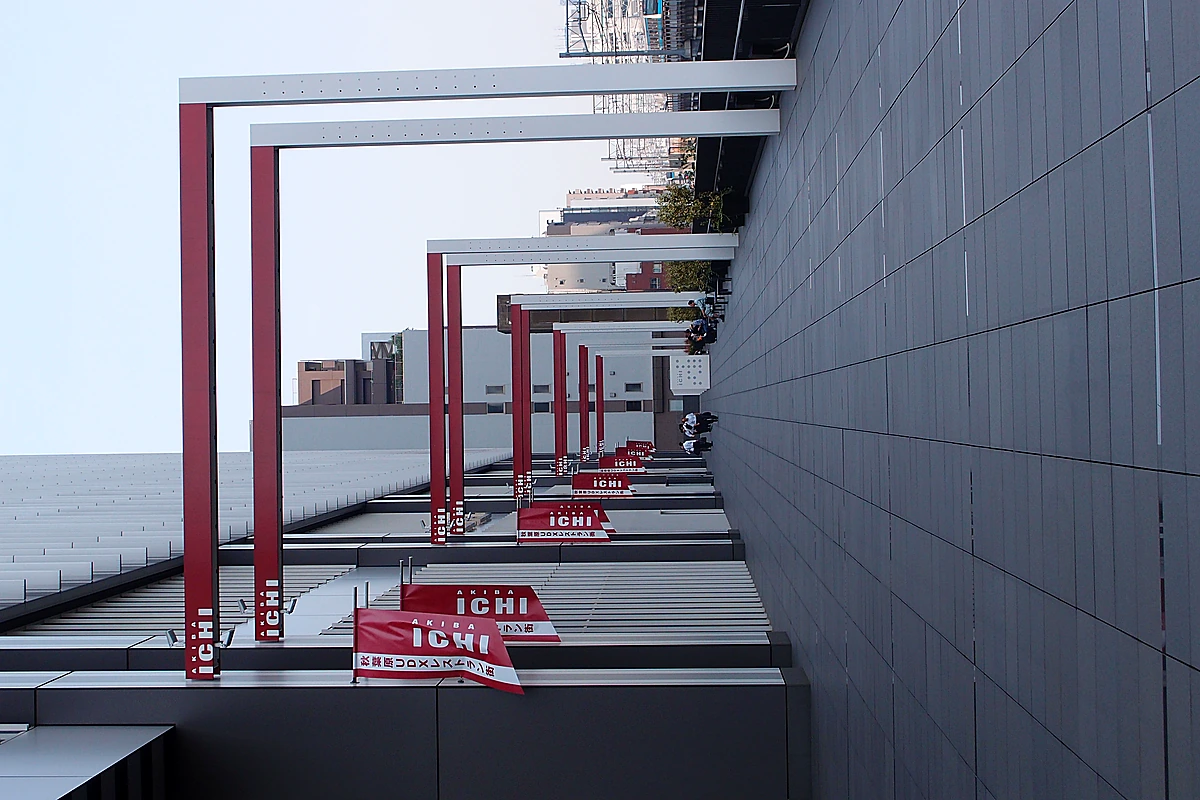 Akiba ICHI a layered retail frontage along Akihabara's main strip. Photo: Guilhem Vellut / Wikimedia Commons, CC BY 2.0.
Address: 1-7-6 Sotokanda, Chiyoda-ku, Tokyo
Hours: Varies by floor/shop
Akiba ICHI a layered retail frontage along Akihabara's main strip. Photo: Guilhem Vellut / Wikimedia Commons, CC BY 2.0.
Address: 1-7-6 Sotokanda, Chiyoda-ku, Tokyo
Hours: Varies by floor/shop
The Side Street Specialist Shops
The narrow streets between Chuo Dori and the JR train tracks hide dozens of small, owner-operated specialist shops. These change frequently, but youll consistently find: military model kit shops, vintage anime cel dealers, doujinshi specialists organized by genre, PC component stores catering to hobbyist builders, and trading card shops running daily tournaments. No specific addresses here, exploring these streets on foot is the point. Start from the Electric Town exit, cross Chuo Dori, and walk into any alley that looks interesting. If a building has a directory board in the lobby, go up. 💡 Local tip: The shops in Akihabaras side streets are tight-knit. If youre looking for something specific that a store doesnt carry, ask the staff, theyll often point you to another shop nearby that might have it. This kind of referral network doesnt exist in tourist areas but works well here.
Get There by Rail
The Japan Rail Pass covers pilgrimage routes and otaku district day trips. Compare 7, 14, and 21-day options — prices recently dropped.
from ¥50,000 / 7 days
Compare JR Pass PricesGame Centers & Arcades (ゲームセンター)
Most English-language Akihabara guides barely mention game centers, which is wild because the district has some of the best arcades in Japan. The scene here ranges from massive modern complexes to legendary independent arcades preserved in their original 1990s state. Unlike Western arcades that mostly died out, Japanese game centers are thriving, theyre legitimate entertainment venues with dedicated communities and regular tournaments.
Silk Hat Akihabara (シルクハット秋葉原): The New Landmark
The biggest gaming news to hit Akihabara in years. This massive 9-floor game center opened on November 22, 2025 in the iconic red building right next to Akihabara Stations Electric Town Exit, the building you literally cannot miss when you step out of the station. The building has deep historical significance for anyone who knows Akihabara. It was previously GiGO Akihabara 1号館, and before that Club SEGA / SEGA Akihabara, which operated for 33 years before closing on August 31, 2025. The new operator, Matahari Entertainment, renovated and reopened it under the Silk Hat brand with the theme WE♡秋葉原 since 1992 to be continued — a nod to the buildings arcade legacy. Floor guide: B1F: Gundam EXVS2 arcade. 58 cabinets, the largest installation of this game anywhere in Japan. Serious mecha fighting game community gathers here nightly. 1F–4F: Crane games (クレーンゲーム) — four entire floors of UFO catchers with anime figures, plush toys, and limited-edition prizes. Japanese crane games use completely different mechanics from Western claw machines, theyre actually built to be winnable. 5F: Card games — Pokémon, Yu-Gi-Oh!, and other TCG play space. 6F–7F: Rhythm games, maimai, CHUNITHM, Sound Voltex, DDR, and other titles. Two full floors means shorter wait times than most arcades. 8F: Darts & goods shop. Location: Right next to Akihabara Station Electric Town Exit, the big red building. 1-minute walk. Hours: 10:00–24:00 daily 💡 Local tip: The crane game floors are busiest on weekends. Weekday afternoons (2-5 PM) give you the best chance of playing without crowds. If you spend ¥500+ on a single machine without winning, dont be shy about asking staff for help — repositioning prizes is standard practice at Japanese game centers, not a special favor.
GiGO Akihabara 3rd & 5th
The original GiGO 1号館 (the famous red building) closed permanently in August 2025, but GiGO still operates the 3rd and 5th locations nearby. These are solid mid-size game centers with good crane game selections and rhythm game floors, less spectacular than Silk Hat but also less crowded, making them good alternatives when the main building is packed. Hours: Generally 10:00–23:00 (varies by location)
Taito Station Akihabara
Right on the main Chuo Dori street — youll spot it by the iconic Space Invader logo on the building. Multi-floor setup with crane games on lower floors, rhythm games and fighting games above. The staff here is accustomed to international tourists, and the signage is clearer than at independent arcades. A reliable, comfortable choice if its your first time in a Japanese game center. Location: Chuo Dori (main street), easy to find Hours: 10:00–23:00 daily
HEY (ハイ). The Retro Arcade Legend
A cramped, beloved two-floor independent arcade thats been running for decades, preserving the arcade experience from the 1990s and 2000s. Two floors packed with classic shoot-em-ups, fighting games, and a community of dedicated regulars whove been playing here for years. If Super Potato is the museum of retro games you can buy, HEY is the museum of retro games you can play. Fair warning: the skill level of regulars is high. Youll probably lose fast at the fighting games. But thats part of the experience — watching high-level arcade play in person is seriously impressive. Just put in your ¥100 and enjoy the ride. Address: 1-10-5 Sotokanda, Chiyoda-ku Hours: 10:00–23:00 (approximate, independent arcade, hours can shift)
Current Collab Cafes & Pop-Ups in Akihabara
Akihabara has fewer rotating collab cafes than Ikebukuro, but it makes up for it with permanent themed cafes and regular pop-up merchandise events at Animate and Radio Kaikan. Currently running: Gratte stand at Animate Akihabara ANNEX (rotating themes, no reservation — easiest collab drink experience in Akihabara) Final Fantasy Eorzea Cafe, パセラリゾーツAKIBAマルチエンターテインメント2F (permanent, reservations via TableCheck) For the full list of collab cafes across Tokyo, see our Tokyo Anime Collab Cafe Guide for Spring 2026.
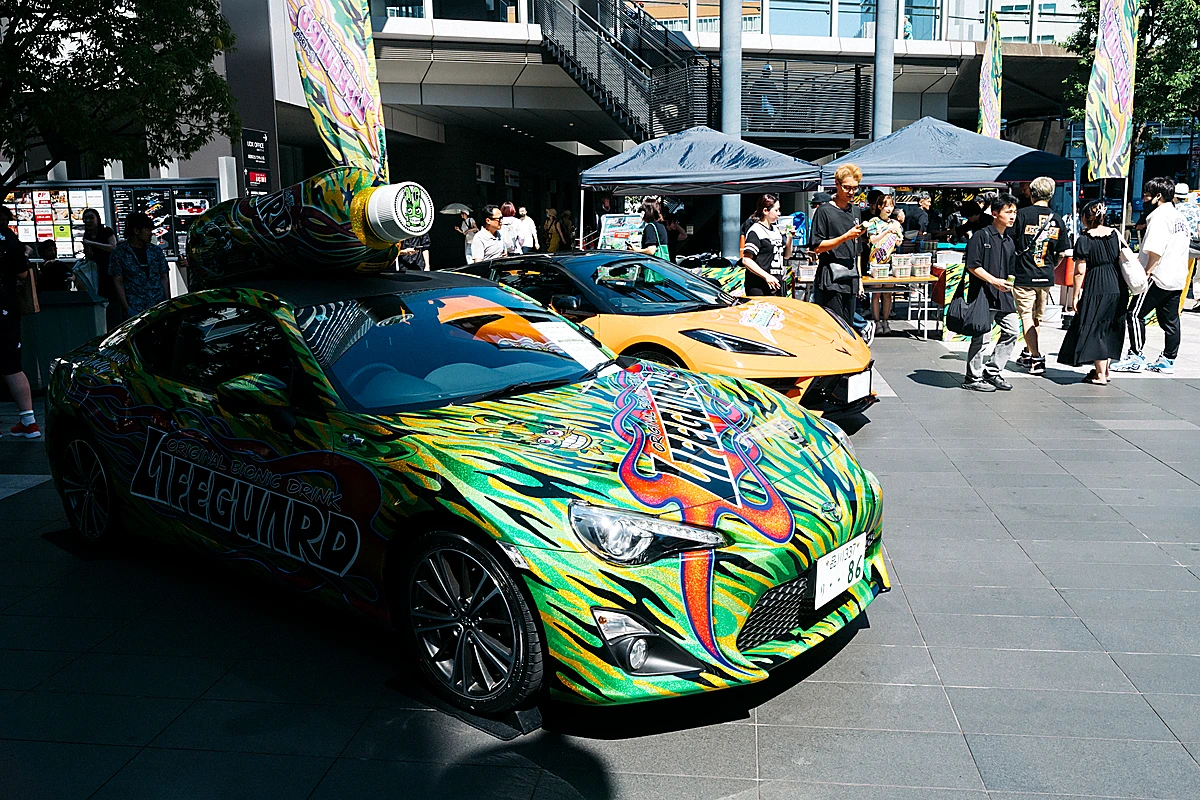 Itasha (——) fan-decorated sports cars parked on display in Akihabara. One of the otaku subcultures that still plays out in public in the district. Photo: Dick Thomas Johnson / Wikimedia Commons, CC BY 2.0.
Maid Cafes: What Actually Happens Inside (and How to Avoid Scams)
The Real Maid Cafe Experience
Maid cafes are Akihabaras most iconic cultural export, and the legitimate ones are a lot of fun. You enter and are greeted by staff dressed in maid costumes who call you goshujin-sama (master) or ojou-sama (princess). Youre seated, given a picture menu, and you order food and drinks that are visually themed (hearts drawn on omurice with ketchup, character-shaped pancakes). The maids may perform a short song, a magic spell over your food, or offer a photo service (usually ¥500-1,000 extra). The atmosphere is theatrical — its meant to be fun and lighthearted. Practical details for legitimate maid cafes: Cover charge: ¥500-700 per person (on top of food/drink) Time limit: 60 minutes at most cafes Photography: Interior and staff photos usually prohibited without purchasing a photo service English support: Available at tourist-friendly cafes like @Home Cafe Minimum order: Usually one drink (from ¥600) @Home Cafe is the most well-known and English-friendly option, a safe starting point if youve never been. Multiple locations in Akihabara, all with clear storefronts and posted pricing.
⚠️ The Tout Problem (客引き問題). Read This Before Your Visit
This is the section most English guides either skip or understate, and its really important for tourist safety. Akihabara has a serious and worsening problem with aggressive street touts (客引き) trying to lure tourists — especially solo male visitors, into sketchy concept cafes or maid bars that are actually overpriced hostess bars in disguise. This problem accelerated after COVID-19 when many hostess bars and girls bars from other entertainment districts rebranded as maid cafes to operate in Akihabaras tourist-heavy environment. The situation is serious enough that Chiyoda Ward officially designated Akihabara as a tout prevention priority zone (客引き行為等防止重点地区) in 2021. But enforcement is limited, and the touts persist, youll see them lining the streets especially in the evenings. Common scam patterns: • Hidden drink fees (ドリンクバック): They advertise ¥3,000 all-you-can-drink but the price doesnt include staff drink fees. Staff pressure you to buy them drinks, and each drink adds ¥1,000–2,000 to your bill. Your ¥3,000 evening becomes ¥15,000–30,000. • Champagne pressure: Staff wont sit at your table or provide service unless you order expensive champagne bottles. • Unclear time charges: An additional per-30-minute fee that wasnt mentioned at the door. • Cash-only enforcement: They insist on cash payment, making it harder to dispute charges later. How to tell a scam from a real maid cafe: • Touts on the street = red flag. The golden rule from Japanese forums (5ch): 「声をかけてくる店には入るな」. Dont enter any place that approaches you on the street. Legitimate maid cafes like @Home Cafe and Maidreamin have enough reputation and foot traffic that they dont need to recruit on the sidewalk. • No visible storefront = avoid. If the entrance is an unmarked door leading to an upper-floor space, walk away. • No prices at the entrance = avoid. Legitimate cafes post their menu and pricing clearly. • Pressure tactics = leave immediately. Special deal just for you or only available now are sales tactics, not hospitality. Safe choices: Stick to established chains: @Home Cafe (アットホームカフェ, multiple Akihabara locations, English menus), Maidreamin (メイドリーミン, large chain with proper websites). Both have ground-floor storefronts, clear pricing, and professional operations. 💡 Local tip: Weekday evenings after 5:00 PM at legitimate maid cafes tend to have shorter waits and a more relaxed atmosphere than weekend afternoons. If youre embarrassed about visiting, dont be — youll see families with kids, couples, salarymen, and tourists of all types at places like @Home Cafe.
Where to Eat (Beyond Theme Cafes)
Akihabara has excellent food beyond the maid and collab cafes. A few standouts: Go Go Curry. The iconic Akihabara curry chain. Thick, dark Japanese-style curry over rice with a tonkatsu cutlet. Filling and affordable (¥750-1,000). Multiple locations in the area. Ramen spots along Chuo Dori: Several quality ramen shops compete for foot traffic. Follow the longest line at lunchtime, its usually the right choice. Avoid the 12:00–13:00 peak if possible. UDX Building restaurants (2F-3F). The Akiba Ichi food court in the UDX building offers a range of Japanese restaurants in a cleaner, less hectic environment than street-level options. Good for when you want a real meal, not a themed experience. Eorzea Cafe (エオルゼアカフェ) — A permanent Final Fantasy XIV themed cafe at パセラリゾーツAKIBAマルチエンターテインメント2F. Decent food with FF14 aesthetic. Popular with MMO players. Reservations available via TableCheck. Budget ¥2,000–3,500. 💡 Local tip: The real Akihabara eating culture is quick and cheap, convenience store onigiri between shops, standing ramen at the station, curry before an evening arcade session. The locals eat to fuel up for more browsing, not as a destination experience.
When to Go & How to Get There
Best time to visit: Weekday afternoons, 2:00-5:00 PM. Shops are fully stocked, crowds are manageable, and you can browse comfortably. Tuesday-Wednesday are the quietest days. For atmosphere: Sunday afternoon during the pedestrian zone (Hokousha Tengoku, 1:00-6:00 PM). Cosplayers, street performers, and a festival-like energy. Not ideal for shopping (too crowded) but great for photos and experiencing the culture. For new merch: Saturday mornings. Most anime merchandise releases on Saturdays. Arrive when shops open (10:00 AM) for the best chance at limited items. Getting there: JR Akihabara Station is on the Yamanote Line (Tokyos main loop), Keihin-Tohoku Line, and Sobu Line. Tokyo Metro Hibiya Line also serves Akihabara. The Tsukuba Express connects to Tsukuba/Ibaraki area. From Shibuya: ~30 min on JR Yamanote Line (no transfer) From Ikebukuro: ~20 min on JR Yamanote Line (no transfer) From Tokyo Station: ~4 min on JR Yamanote or Keihin-Tohoku Line From Shinjuku: ~18 min on JR Sobu Line (direct, no transfer) From Narita Airport: ~90 min by train (Narita Express to Tokyo, transfer to Yamanote) Which exit to use: Electric Town Exit (電気街口) for the anime/pop culture district. Central Exit (中央改札口) for the UDX building and Kanda Myojin shrine area.
Related Reads
Combine With: Nearby Neighborhoods
Ueno (JR, 2 stops) — Ameyoko street market, Ueno Park with its museums, and a completely different atmosphere. Excellent afternoon contrast after a morning in Akihabara. Asakusa (Tsukuba Express, 5 min direct). Sensoji temple, traditional Tokyo, and street food. Asakusa also has anime connections: Sensoji has hosted Demon Slayer events, making it a subtle pilgrimage spot. Ikebukuro (JR Yamanote, ~20 min): Tokyos other major otaku hub. Where Akihabara skews male-oriented, Ikebukuros Otome Road caters more to female fans. Animate Ikebukuro is the chains flagship, larger than the Akihabara store. → Read our Ikebukuro guide Nakano Broadway (JR Chuo Line via Shinjuku, ~25 min total): A shopping complex filled with specialist anime, manga, and figure shops. Less touristy than Akihabara, with different secondhand stock at Mandarakes Nakano location. Worth the trip for collectors. → Read our Nakano Broadway guide Jimbocho (walk 10 min west, or Toei Shinjuku Line 1 stop). Tokyos legendary used bookstore district. Dozens of bookshops specializing in everything from rare first editions to manga to academic texts. A completely different kind of treasure hunt.
Pre-Order Akihabara Exclusives Online
Many limited-edition figures and goods sell out within hours at Akihabara shops. Amazon Japan ships internationally and lets you pre-order upcoming releases before your trip. Browse Anime Figures on Amazon JapanSwitch to English in the top-right menu. Ships to 65+ countries.
Best Deals on Anime Collectibles
Find authentic anime goods and rare collectibles available in Japan: Anime Figures Gundam Model Kits Trading Cards Anime Blu-ray Retro Games Art Books Gashapon Toys Nendoroid Wall Scrolls Dakimakura As an Amazon Associate, we may earn from qualifying purchases.
Budget Breakdown
| Activity | Budget |
|---|---|
| Gachapon (3-5 turns) | ¥600–2,500 |
| Lunch (curry, ramen, etc.) | ¥800–1,200 |
| Maid cafe visit | ¥1,500–3,000 (cover + 1 drink + 1 food + photo) |
| Small anime merchandise | ¥500–3,000 |
| Figures (new) | ¥3,000–15,000+ |
| Retro games | ¥500–5,000+ depending on rarity |
| Arcade games (1 hour) | ¥1,000–3,000 |
| Gratte collab drink | ¥700–900 |
| Light half-day visit | ¥3,000–8,000 |
| Full-day with shopping | ¥10,000–30,000+ |
| Tax-free shopping available at most major stores for purchases over ¥5,000. Bring your passport. | |
| Payment: Major stores (Animate, Kotobukiya, Mandarake Complex) accept credit cards and IC cards (Suica/Pasmo). Smaller independent shops and some Mandarake sub-stores may be cash-only. Always carry some ¥100 coins for arcade machines and gachapon. |
Guided Akihabara Tours
A local otaku guide can show you the hidden shops, retro game floors, and doujinshi sections that most tourists walk right past. Tours run 2-3 hours and cover the Electric Town area in depth. Find Akihabara Tours on Klook Anime Pilgrimages Near Akihabara Many anime locations are just a short train ride away. Explore Jujutsu Kaisen locations in Shibuya or follow the Chainsaw Man pilgrimage route across Tokyo.
More Area Guides
- Tokyo Anime Collab Cafes — Spring 2026 Guide
- Ikebukuro for Anime Fans: Animate, Otome Road & Beyond
- 10 Anime Pilgrimage Spots in Tokyo You Can Visit Today
- How to Book an Anime Collab Cafe in Japan
- The Complete Gachapon Guide for Tourists in Japan
- Game Centers & Arcades in Japan. The Complete Guide
- Japan IC Card & Transit Guide for Anime Fans
FAQ: Frequently Asked Questions
How long should I spend in Akihabara?
A full day (68 hours) is right for first-time visitors. Half a day only covers the main strip; a full day lets you explore Kanda-Myojin, the side streets, and at least one themed cafe without rushing.
Is Akihabara still the best place for anime in Tokyo in 2026?
It is still the biggest, but Ikebukuro has caught up for collab cafes and female-oriented otaku culture. Use Akihabara for retro games, electronics, and figure shopping; use Ikebukuro for cafe-heavy trips.
Which day of the week is best to visit Akihabara?
Sunday 13:0018:00 if you want the pedestrian zone (chuo-dori closes to cars). Weekday afternoons if you prefer quieter stores and shorter lines at themed cafes.
The Japan Rail Pass covers pilgrimage routes and otaku district day trips. Compare 7, 14, and 21-day options — prices recently dropped.
Follow @pop_now_jp on Threads for daily Tokyo pop culture updates.
Free Weekly Guide
Free: Top 10 Anime Collab Cafes Open This Month
Join anime fans getting weekly collab cafe updates, pilgrimage guides, and Japan travel tips.
One-click unsubscribe in every email. Operated by Japan Pop Now from Tokyo, Japan. We do not sell, rent, or share your email. See our Privacy Policy and Terms for full details.
You Might Also Like
Naruto Tokyo Pilgrimage 2026: Shinobi Locations Guide

Slam Dunk Kamakura Pilgrimage 2026: Famous Crossing & More

7 Anime Day Trips from Tokyo 2026: JR Pass Pilgrimage Guide
Detective Conan Pilgrimage & Events 2026: 30th Anniversary